

The landscape of pediatric speech and language therapy is witnessing an innovative shift, with everyday playthings increasingly recognized for their profound therapeutic potential. Among these, magnetic tiles have emerged as a remarkably versatile and engaging tool, offering speech-language pathologists (SLPs) and caregivers a dynamic platform to address a wide array of communication goals in young children. Far beyond their conventional use as construction toys, these colorful, geometric pieces are proving invaluable in fostering speech articulation, language comprehension, social interaction, and cognitive development.
The adoption of magnetic tiles underscores a broader trend in speech-language pathology towards play-based, naturalistic intervention. This approach, widely supported by developmental psychology and educational research, emphasizes learning through intrinsically motivating activities that mimic real-life interactions. For children, particularly those grappling with communication challenges, traditional drill-based therapy can often lead to disengagement. Play-based methods, however, tap into a child’s natural curiosity and desire to explore, making therapeutic objectives feel less like work and more like fun. This shift is critical, as sustained engagement is a cornerstone of effective learning and skill acquisition in early childhood development.
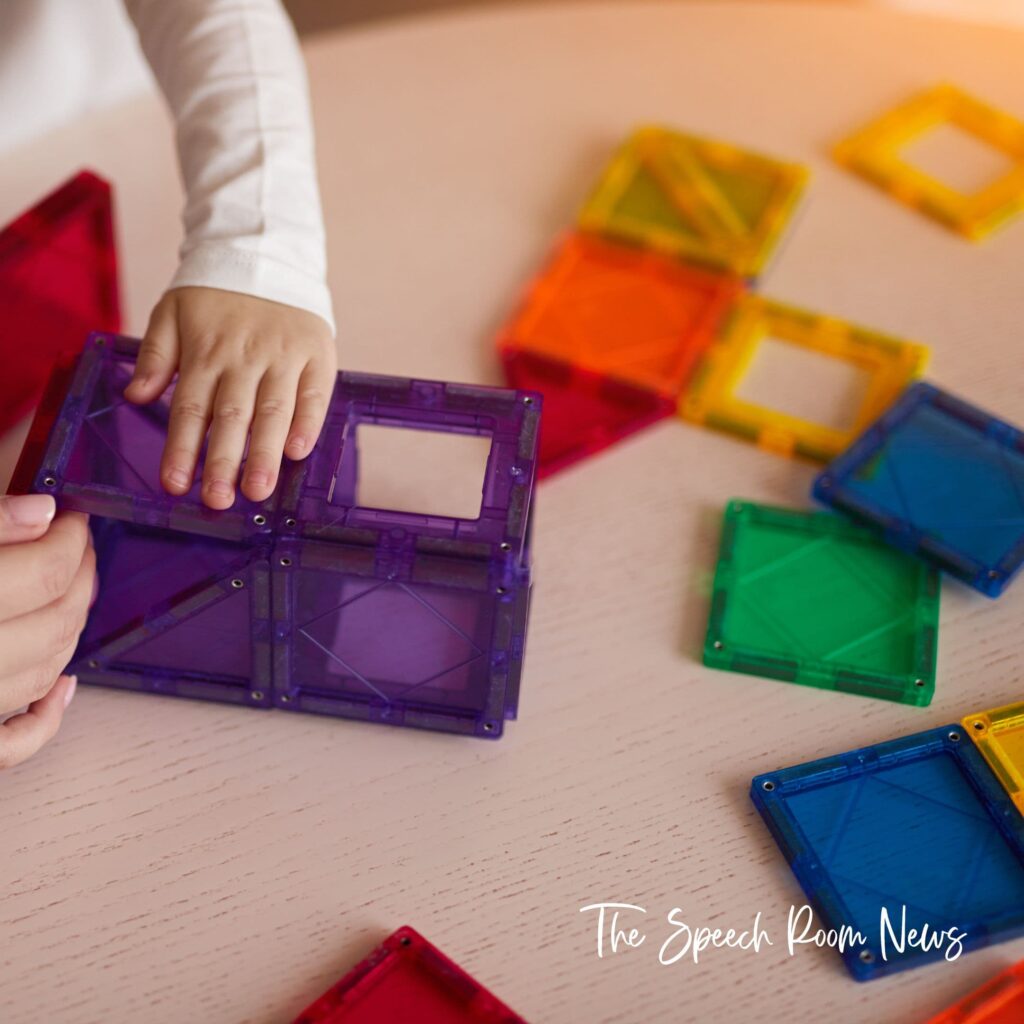
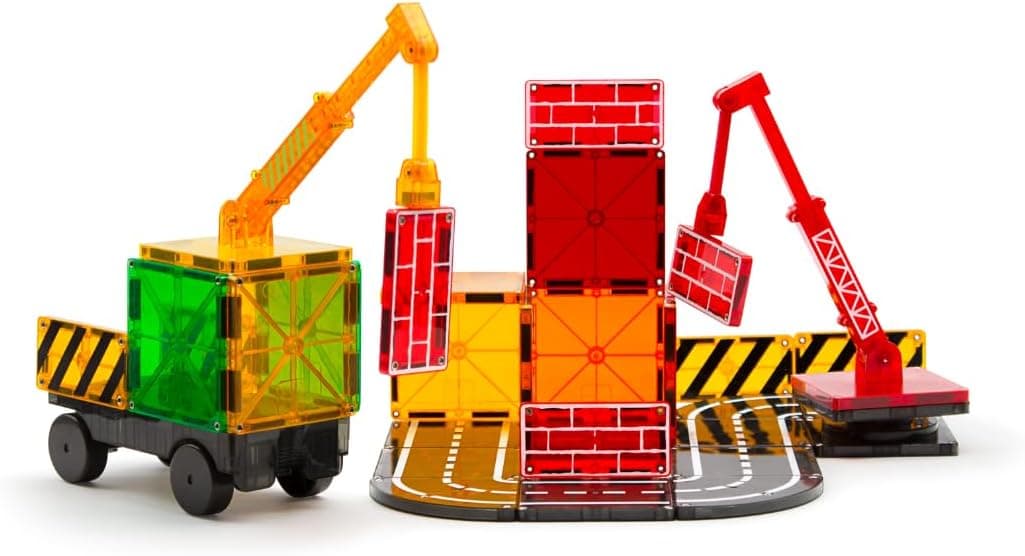
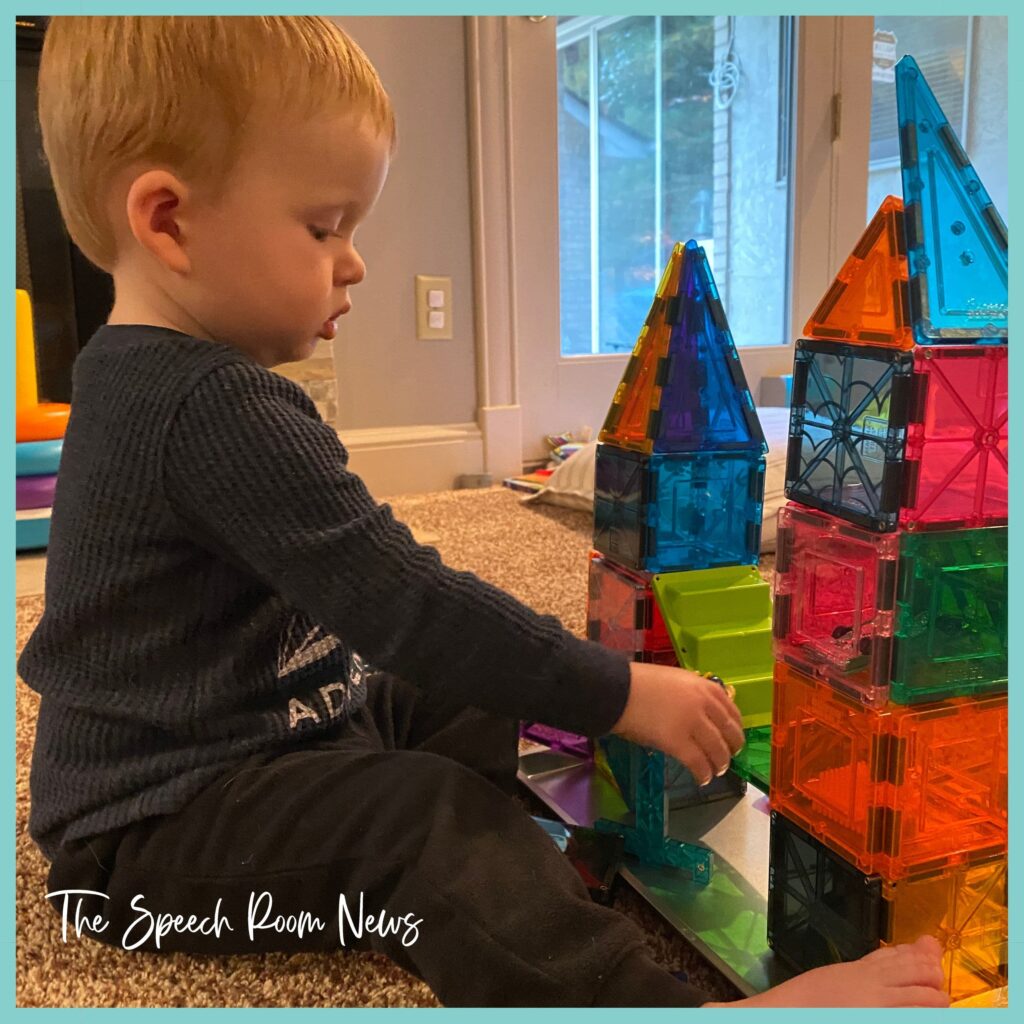
Magnetic tiles, characterized by their vibrant colors, varying shapes (squares, triangles, rectangles), and magnetic edges, possess inherent qualities that lend themselves exceptionally well to therapeutic applications. Their open-ended nature encourages creativity and imaginative play, while the tactile experience of snapping pieces together provides sensory input that can enhance focus. Furthermore, their ease of manipulation makes them accessible to children across different developmental stages, from toddlers exploring basic cause-and-effect to preschoolers building complex structures. This adaptability ensures a long lifespan for the toy, both in a home setting and within a clinical environment, representing a sound investment for therapeutic resources.
Key Therapeutic Applications: Ten Pathways to Communication Growth
The versatility of magnetic tiles allows for targeted intervention across numerous speech and language domains. SLPs have identified at least ten distinct ways these toys can be integrated into therapy sessions, each designed to address specific developmental milestones and challenges:
-
Fostering Social Cooperative Work: Magnetic tiles are excellent facilitators for group therapy or dyadic sessions, promoting essential social communication skills. Children naturally engage in back-and-forth communication as they collaborate on building projects. This interaction creates organic opportunities for planning, negotiating, assigning roles ("You hold that piece," "I’ll put this on top"), and problem-solving together. Such activities directly target pragmatic language skills, including turn-taking, initiating conversations, maintaining topics, and understanding non-verbal cues, all within a low-pressure, engaging context.
-
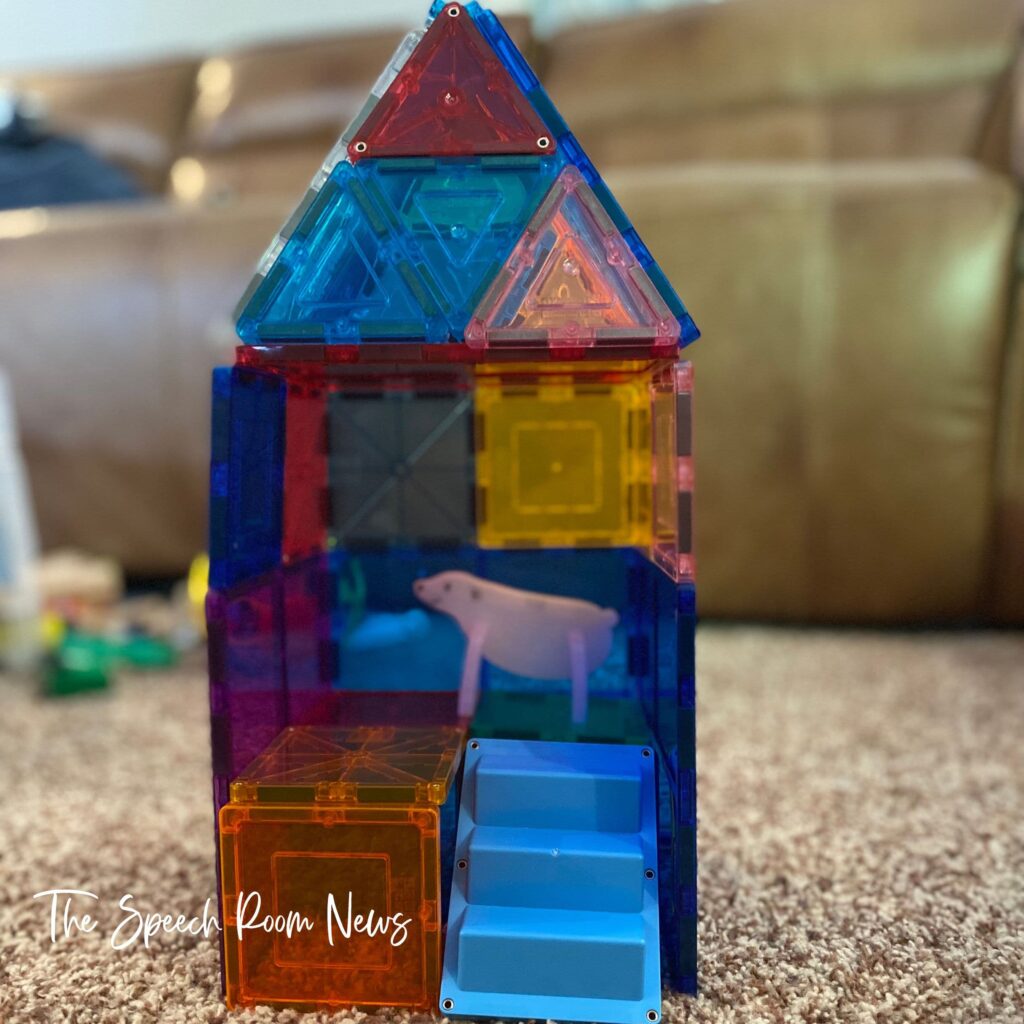
Mastering Prepositions and Spatial Concepts: Abstract concepts like prepositions ("on," "under," "beside," "between," "above," "below") can be particularly challenging for young learners. Magnetic tiles provide a concrete, hands-on medium for teaching these spatial relationships. Children can physically manipulate the tiles, placing one "on" another, hiding a small toy "under" a structure, or positioning a tile "between" two others. This kinesthetic learning approach reinforces understanding, making abstract ideas tangible and memorable, thereby improving both receptive and expressive language related to spatial awareness.
-
Sorting by Shape and Color for Cognitive and Linguistic Development: Categorization is a foundational cognitive skill with direct implications for language development. Magnetic tiles, available in a variety of shapes and colors, offer an ideal tool for sorting activities. Therapists can instruct children to group specific shapes or colors, prompting them to describe their choices and justify their categorizations. This not only enhances their ability to identify similarities and differences but also expands their descriptive vocabulary (e.g., "red square," "big triangle") and reinforces concepts of quantity and attribute. Creating "sorting bins" using the tiles themselves adds an extra layer of engagement.
-
Targeting Articulation Through Repetitive Practice: Incorporating specific speech sounds into magnetic tile play transforms articulation practice into an enjoyable experience. If the target sound is /k/, for example, children can build a "castle," a "cage," or a "car," repeatedly saying the target word as they select and place tiles. This method embeds articulation drills into a meaningful activity, promoting higher rates of accurate production in a functional context. The visual and tactile feedback of building helps solidify the connection between the sound and its associated object or action.
-
Practicing Irregular Verbs in Narrative Play: Irregular verbs (e.g., "go/went," "build/built," "fall/fell," "hit/hit") are notorious for their inconsistency and often require rote memorization. Magnetic tiles can facilitate their acquisition by enabling children to narrate stories or sequences of actions involving the structures they build. A child might build a tower and say, "I built a tall tower," then describe what happened when it collapsed: "The tower fell down." This contextualized practice helps children internalize the correct past tense forms through storytelling and imaginative play.
-
Enhancing Executive Functioning Skills: The process of constructing with magnetic tiles inherently involves executive functioning skills. Children must plan their designs, sequence steps, maintain attention to a goal, and adapt to challenges (e.g., a tower falling). Therapists can introduce parameters, such as time limits or specific design requirements, to further challenge planning abilities, organization, and problem-solving. Discussing their strategies and choices during the building process also provides valuable opportunities for language use, reinforcing self-regulation and cognitive flexibility.
-
Reinforcing Regular Plurals: Building with magnetic tiles naturally lends itself to practicing regular plurals. As children select multiple pieces of the same shape or color, they can be prompted to articulate the plural form. For instance, "I need two squares," or "Look at all the triangles!" This activity helps children understand the concept of quantity and correctly apply the -s/-es suffix, strengthening their grammatical morphology in a practical, hands-on manner.
-
Stimulating WH Questions for Comprehension and Expression: Magnetic tiles serve as an excellent catalyst for practicing WH questions ("who," "what," "where," "when," "why"). Therapists can pose questions related to the construction process or the finished product: "Where does this piece go?" "Who put the roof on?" "What are we building next?" "When will the building be finished?" This encourages critical thinking, improves receptive comprehension of question words, and prompts expressive language as children formulate their answers.
-
Promoting the Use of the Pronoun "I": For children struggling with self-referential language, magnetic tiles offer simple, direct opportunities to practice the pronoun "I." As children choose and place tiles, therapists can model and prompt phrases like, "I want the blue square," "I put it on top," or "I built a garage." This repetitive, contextualized use helps children integrate "I" into their spontaneous speech, fostering a stronger sense of self and more independent communication.
-
Supporting AAC Core Word Development: For children utilizing Augmentative and Alternative Communication (AAC) systems, magnetic tiles can be a powerful tool for reinforcing core words—high-frequency words that are applicable across various contexts. Words like "more," "on," "off," "up," "down," "help," "that," "this," "want," and "go" can be naturally integrated into magnetic tile play. Therapists can model these words on a child’s AAC device or picture exchange system while building, prompting the child to request "more" tiles or indicate "up" for a higher structure, thereby providing meaningful practice in a functional setting.
Expert Perspectives and Broader Implications
Speech-language pathologists widely acknowledge the efficacy of integrating play-based materials like magnetic tiles. Dr. Evelyn Reed, a prominent child development expert, notes, "Engaging children through play is not merely a fun diversion; it is neurologically vital for learning. When children are intrinsically motivated and enjoy an activity, their brains are more receptive to acquiring new skills, including complex language structures." SLPs report observing increased attention spans, reduced behavioral issues, and greater spontaneous communication when using such interactive tools.
The implications of adopting magnetic tiles in therapy extend beyond the clinic. Their accessibility and intuitive design make them ideal for home practice, empowering parents to continue therapeutic activities in a familiar and comforting environment. This continuity between clinic and home is crucial for generalizing learned skills and accelerating progress. While initial costs for quality magnetic tile sets can be a consideration, their durability and endless utility often render them a cost-effective, long-term investment compared to single-use therapeutic materials. Many clinicians also leverage grants or classroom wish lists to acquire these valuable resources.
In conclusion, magnetic tiles represent more than just a popular children’s toy; they are a testament to the power of imaginative play in supporting developmental growth. By harnessing their versatility, speech-language pathologists are transforming therapy sessions into dynamic, engaging experiences that build essential communication skills while fostering joy and confidence in young learners. As the field continues to evolve, the integration of such creative, play-based tools will undoubtedly remain at the forefront of effective pediatric intervention, bridging the gap between play and profound developmental progress.
