

Picture books are increasingly recognized as fundamental resources in early intervention speech therapy, playing a pivotal role in supporting and accelerating language development and enhancing communication skills in young children. These carefully chosen literary tools offer a multi-faceted approach to addressing speech and language delays, creating an engaging and effective learning environment that is crucial during the formative years of a child’s life. The integration of picture books is not merely supplementary but forms a core component of therapeutic strategies, with each selection often meticulously chosen to target specific speech and language goals, thereby maximizing the efficacy of intervention for children from birth to approximately three years of age.
Understanding Early Intervention in Speech Therapy

Early intervention in speech therapy represents a proactive and critical approach to identifying and addressing speech and language difficulties as soon as they emerge in young children. This specialized field aims to provide timely support to enhance a child’s communication abilities during the most sensitive and rapid periods of their developmental trajectory. Typically, early intervention targets children from birth up to three years of age, an epoch characterized by extraordinary neuroplasticity and rapid language acquisition. During this crucial window, Speech-Language Pathologists (SLPs) collaborate with infants, toddlers, and their families to mitigate the impact of developmental delays or disorders. The overarching goal is to address these challenges promptly, thereby supporting the child’s communication skills and optimizing their overall developmental potential. Recognizing and responding to these challenges at such a young age allows speech therapists to implement targeted, evidence-based strategies that can significantly improve speech and language outcomes, setting a robust foundation for future learning and social interaction.
A defining characteristic of early intervention is the active participation of families and primary caregivers in the therapeutic process. SLPs work in close partnership with parents and caregivers, developing individualized treatment plans that are not confined to clinical settings but are seamlessly integrated into daily routines. This collaborative, family-centered approach ensures that learning opportunities are maximized throughout the child’s natural environment, fostering consistent practice and generalization of newly acquired skills. This holistic model acknowledges that language development is deeply embedded within social interactions and daily experiences, making the home environment a powerful extension of the therapy room.
The Foundational Importance of Books in Speech and Language Therapy
Books are undeniably powerful instruments in speech and language therapy, offering a myriad of benefits for children undergoing intervention. Their incorporation into therapy sessions profoundly enhances language development, refines communication skills, and cultivates an inherently engaging learning experience. Beyond these primary advantages, the strategic use of books in targeting speech and language skills supports several other critical developmental areas:
Promoting Language and Vocabulary Development: Books serve as rich conduits, exposing children to a vast and diverse array of words, thereby expanding their receptive and expressive vocabulary and deepening their language comprehension. Through the practice of reading aloud, discussing narratives, and pointing out illustrations, SLPs and caregivers can systematically introduce new words, reinforce conceptual understanding, and actively encourage expressive language skills. The repetitive nature of many children’s books further aids in word acquisition and retention.
Enhancing Storytelling and Narrative Skills: Engaging with books is instrumental in nurturing emergent storytelling abilities and foundational narrative skills in children. As children follow the plot, track characters, and anticipate events, they implicitly learn about story structure, the logical sequencing of events, and cause-and-effect relationships. These components are not merely literary devices but are absolutely essential for effective communication, enabling children to recount personal experiences, share ideas, and engage in coherent conversations.
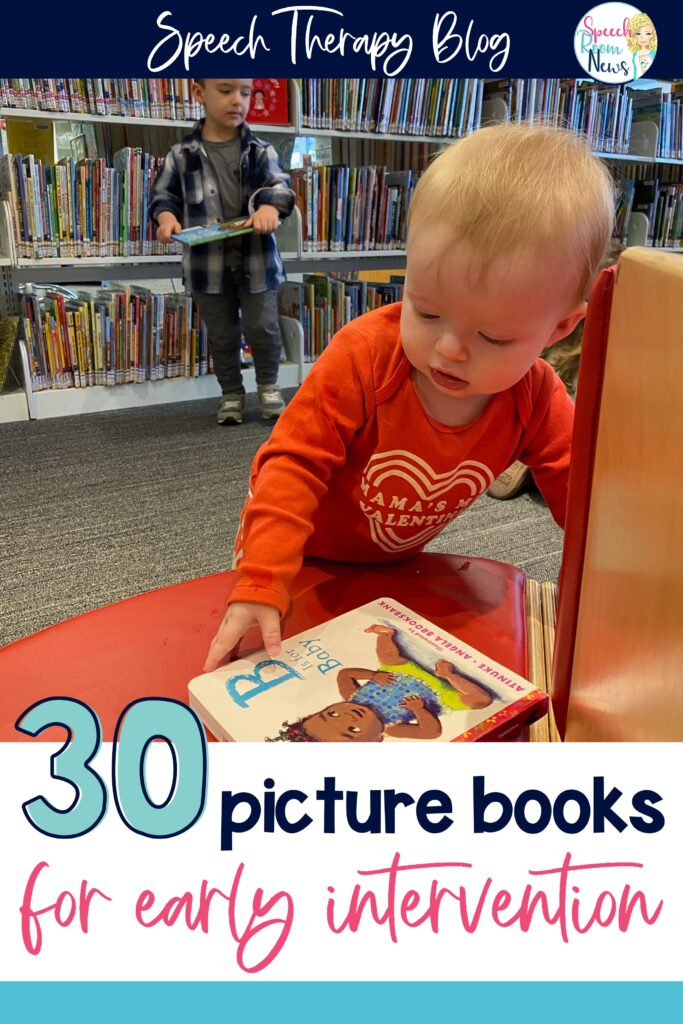
Stimulating Imagination and Creativity: Books possess the unique ability to transport children to imaginative worlds, thereby fostering creativity, abstract thinking, and problem-solving skills. They actively encourage children to visualize and describe scenes, characters, and events, which directly promotes expressive language, descriptive vocabulary, and the ability to articulate complex ideas. This imaginative engagement also supports cognitive flexibility and emotional development as children process different scenarios and perspectives.
Fostering Joint Attention and Social Interaction: Shared reading experiences naturally facilitate joint attention, where a child and an adult focus on the same object or activity. This shared focus is a cornerstone of social communication and language development. Through pointing, questioning, and turn-taking during reading, children learn to attend to relevant cues, interpret social signals, and engage in reciprocal interactions, all of which are vital for effective communication and social competence.
The Science Behind Early Language Acquisition and Intervention
The effectiveness of early intervention, particularly through mediums like picture books, is rooted in the neuroscience of child development. The period from birth to three years is often referred to as a "critical period" for language acquisition. During this time, the brain is highly plastic and exceptionally receptive to linguistic input. Neural pathways for language are rapidly forming and strengthening, making it an optimal window to introduce and reinforce language concepts. Research in developmental psychology and neuroscience consistently demonstrates that children exposed to rich linguistic environments during these early years exhibit more robust language skills, better literacy outcomes, and enhanced cognitive abilities later in life.
Conversely, delays in language acquisition during this critical period, if left unaddressed, can have cascading effects on cognitive, social, and emotional development. Studies indicate that children with untreated speech and language disorders are at a higher risk for academic difficulties, particularly in reading and writing, as well as potential social isolation and behavioral challenges. This underscores the urgency and profound impact of early intervention. Data from the Centers for Disease Control and Prevention (CDC) suggests that approximately 1 in 12 (7.7%) U.S. children aged 3-17 years have had a disorder of speech, voice, language, or swallowing in the past 12 months. Early identification and intervention can significantly alter these trajectories, leading to markedly improved long-term outcomes for affected children.
Categorizing Picture Books for Targeted Therapeutic Goals
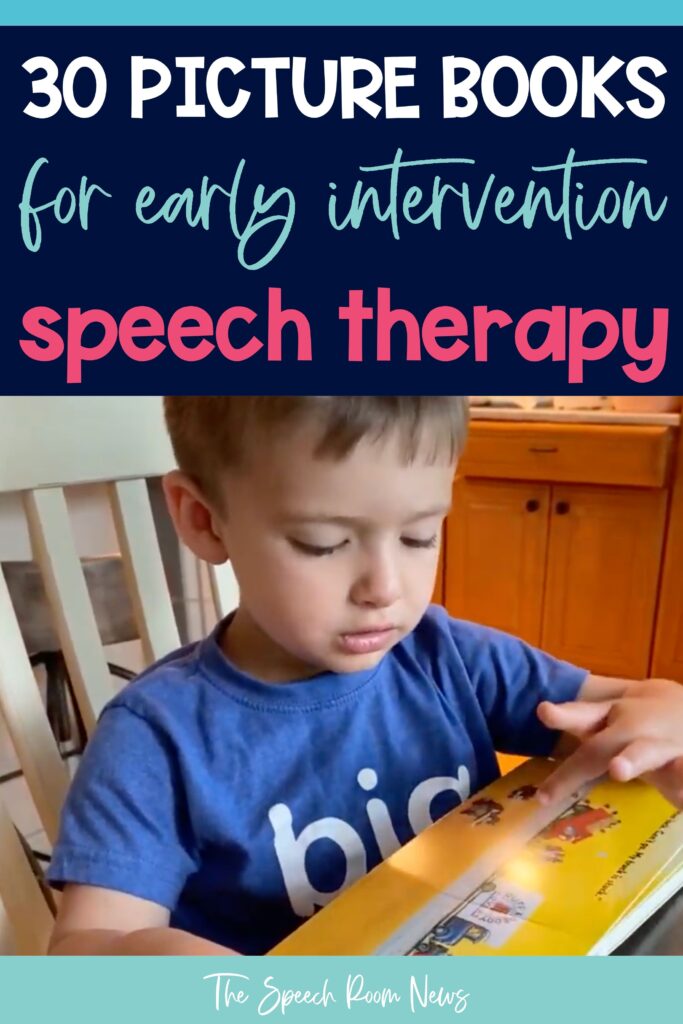
Speech-language pathologists strategically select different types of picture books based on a child’s individual needs and therapeutic goals. The tactile, visual, and auditory elements of various book formats are harnessed to target specific areas of language development.
Interactive Books: Books that encourage physical interaction and tactile engagement are invaluable for increasing attention, promoting vocabulary development, and engaging multiple senses. These books often feature lift-the-flaps, textures to touch, or movable parts. For instance, a "touch-and-feel" book can be used to elicit descriptive vocabulary (e.g., "soft," "bumpy"), while a lift-the-flap book can target object permanence, spatial concepts (e.g., "under," "behind"), and cause-and-effect. The element of surprise and discovery inherent in interactive books captures a child’s attention, making the learning experience more dynamic and memorable. They also provide natural opportunities for requesting and joint attention, as the child might gesture or vocalize to prompt the therapist to reveal what’s hidden.
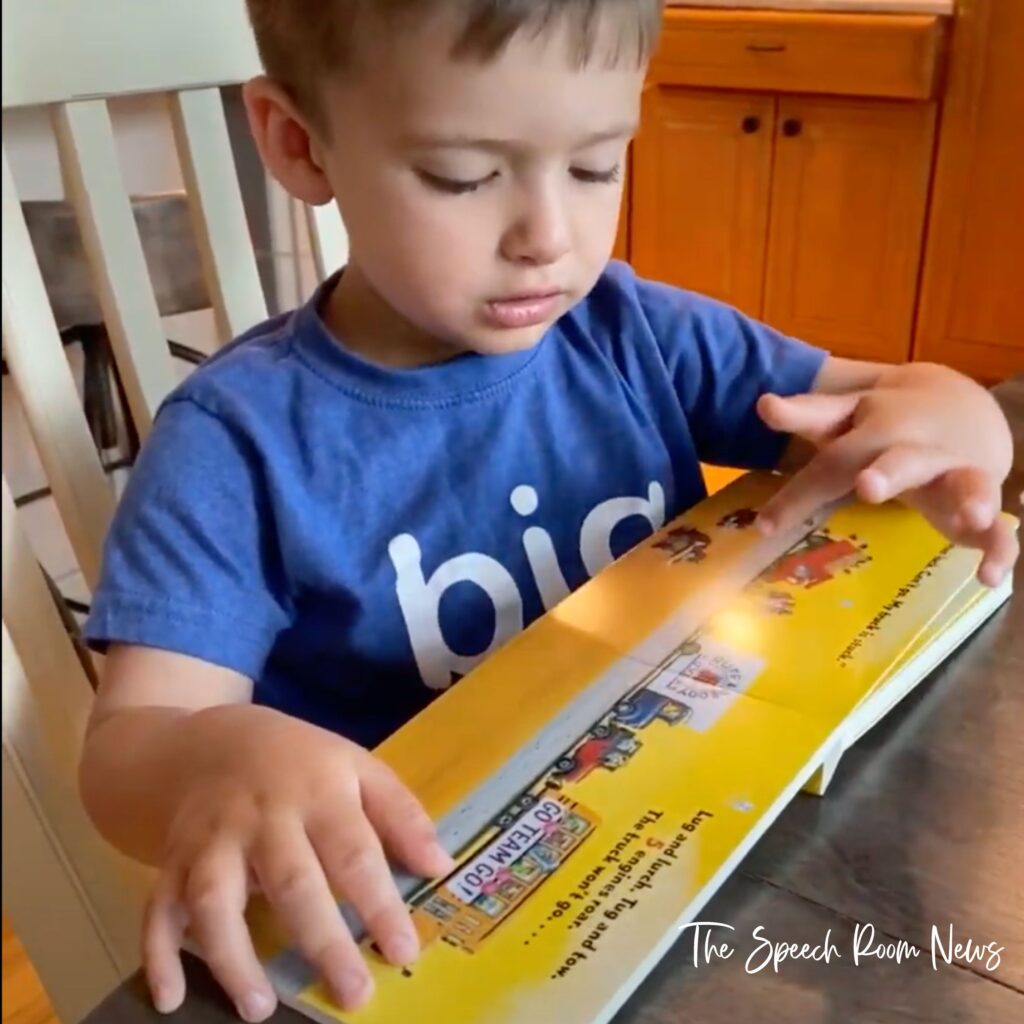
Durable Books: Designed to withstand the enthusiastic handling characteristic of young children, durable books are perfect for early intervention speech therapy. These typically include board books, chunky books, or plastic bath books. Their sturdy pages are resilient to tearing, bending, and even chewing, allowing for repeated use without damage. This durability is critical for maintaining consistent therapeutic tools and reducing distractions related to damaged materials. Beyond their physical robustness, many durable books feature bright, high-contrast illustrations and simple, repetitive text, which are ideal for developing early literacy skills, phonological awareness, and basic vocabulary. The predictability of repetitive text also helps children anticipate words and phrases, building confidence in their emerging language abilities.
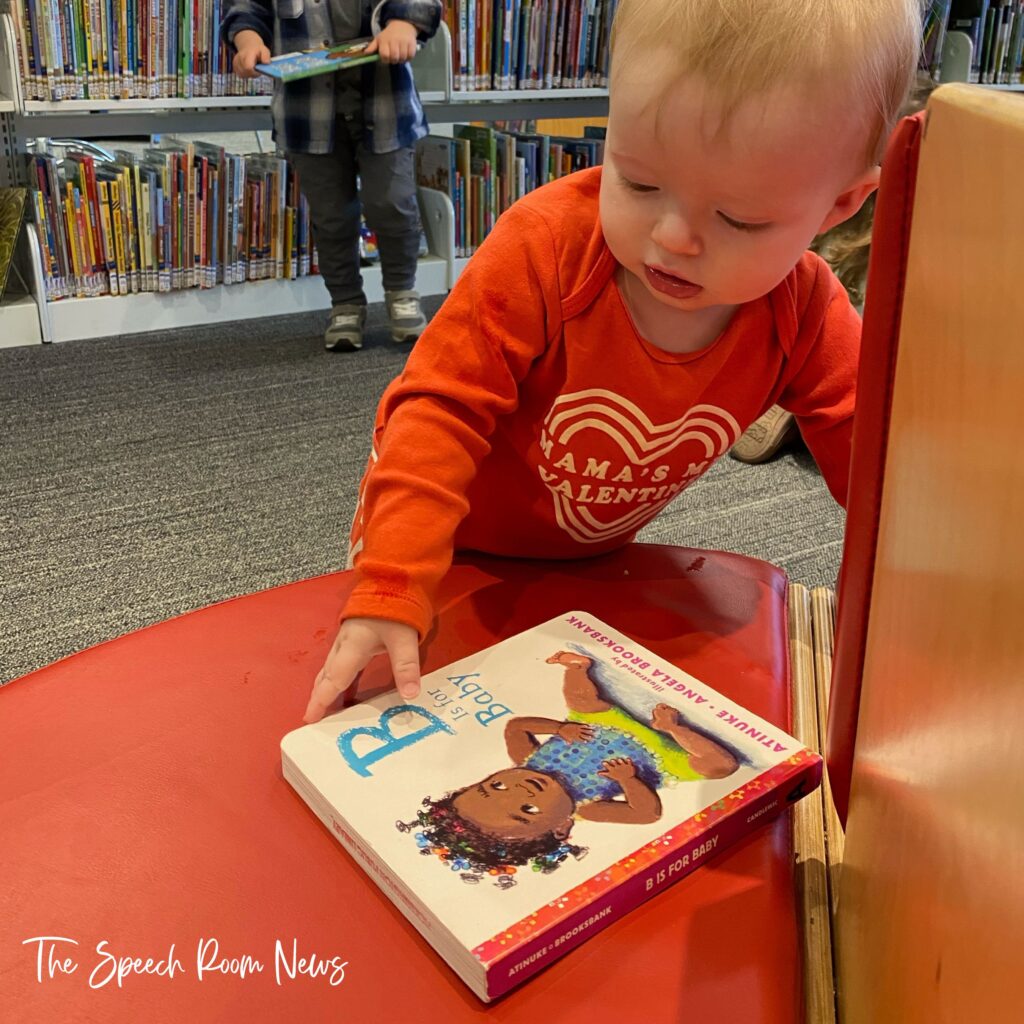
Board Books: Board books are a cornerstone of early intervention speech therapy due to their sturdy construction, repetitive text, engaging pictures, and potential for incorporating songs and actions. Their thick cardboard pages are easy for small hands to grasp and turn, promoting fine motor skills alongside language development. The repetitive language patterns found in many board books are excellent for targeting imitation, expanding utterance length, and reinforcing core vocabulary. For example, a book about farm animals with repetitive animal sounds encourages vocalizations and sound imitation. The clear, often isolated pictures within board books are also ideal for targeting object identification, categorization, and concept development. When coupled with songs or actions, board books transform into multi-sensory learning experiences, tapping into a child’s natural inclination for rhythm and movement, further cementing language acquisition.
Effective Strategies for Integrating Books in Therapy
SLPs employ a range of evidence-based strategies when using picture books in therapy:
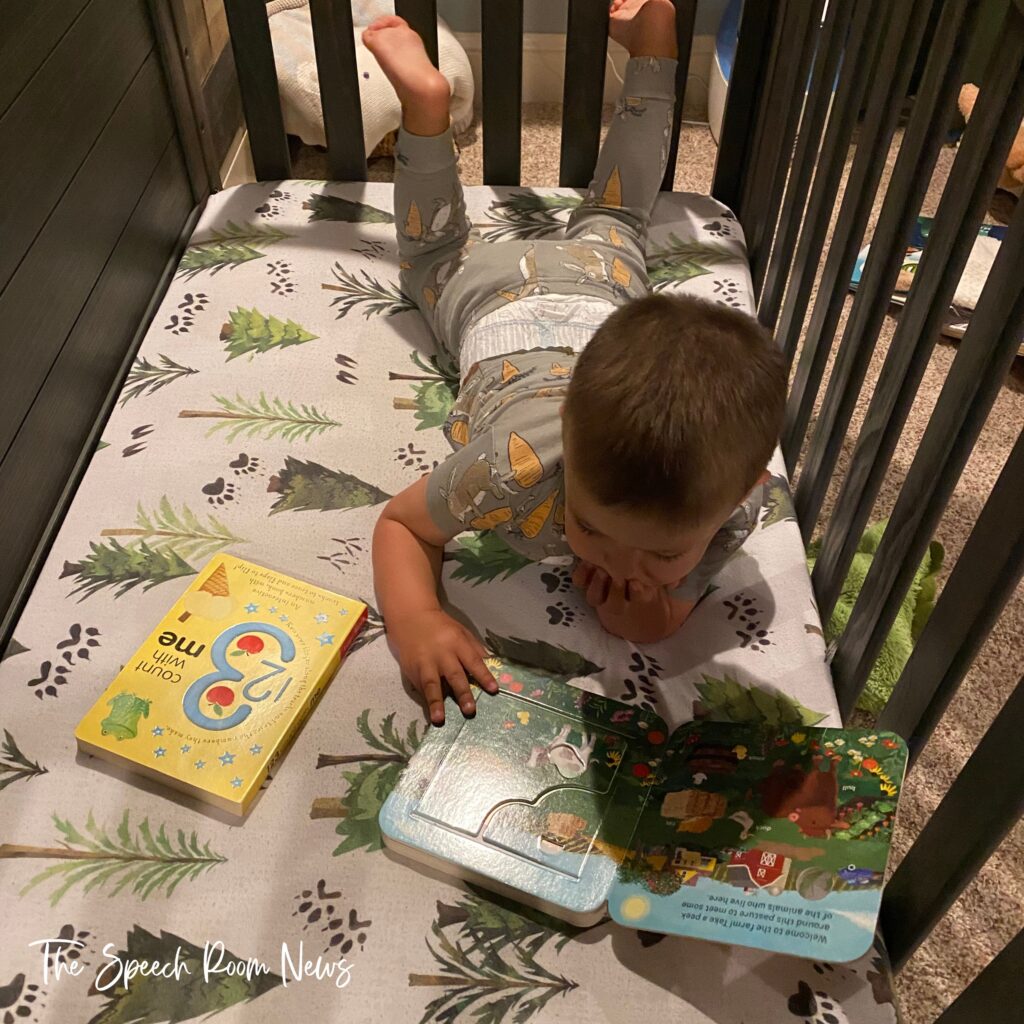
- Modeling: The therapist models correct pronunciation, sentence structures, and vocabulary, providing a clear linguistic example for the child to imitate.
- Prompting: Different levels of prompts (e.g., verbal, visual, gestural) are used to elicit responses from the child, gradually fading as the child becomes more independent.
- Expanding: When a child produces a short utterance (e.g., "Dog bark"), the therapist expands on it to create a grammatically complete sentence (e.g., "Yes, the dog barks loudly!").
- Recasting: Similar to expanding, recasting involves rephrasing a child’s incorrect or incomplete utterance into a correct form without directly correcting them (e.g., Child: "Him go." Therapist: "He went to the park.").
- Joint Attention: As mentioned, fostering shared focus on the book and its contents is paramount, building a foundation for social communication.
- Asking Open-Ended Questions: Moving beyond simple "yes/no" questions encourages children to formulate more complex responses and engage in critical thinking.
- Pause Time: Allowing sufficient time for a child to process information and formulate a response is crucial, especially for those with language processing difficulties.
The Broader Impact and Long-Term Implications
The successful integration of picture books within early intervention speech therapy extends far beyond the immediate gains in language skills. The implications are profound and long-lasting, influencing a child’s entire developmental trajectory. Children who receive effective early intervention for speech and language delays demonstrate improved academic readiness, higher literacy rates, and enhanced performance in school. Their ability to communicate effectively reduces frustration, fosters self-confidence, and significantly improves their social-emotional development, leading to stronger peer relationships and better adjustment to various social settings.
Moreover, the emphasis on family involvement in book-based therapy empowers parents and caregivers with practical strategies to support their child’s language growth in daily life. This cultivates a home environment rich in literacy and language, creating a positive feedback loop that reinforces therapeutic progress. The American Speech-Language-Hearing Association (ASHA) consistently highlights the critical role of early intervention, emphasizing that addressing communication disorders early can prevent more significant challenges later in life, ultimately leading to greater independence and a higher quality of life for the individual.
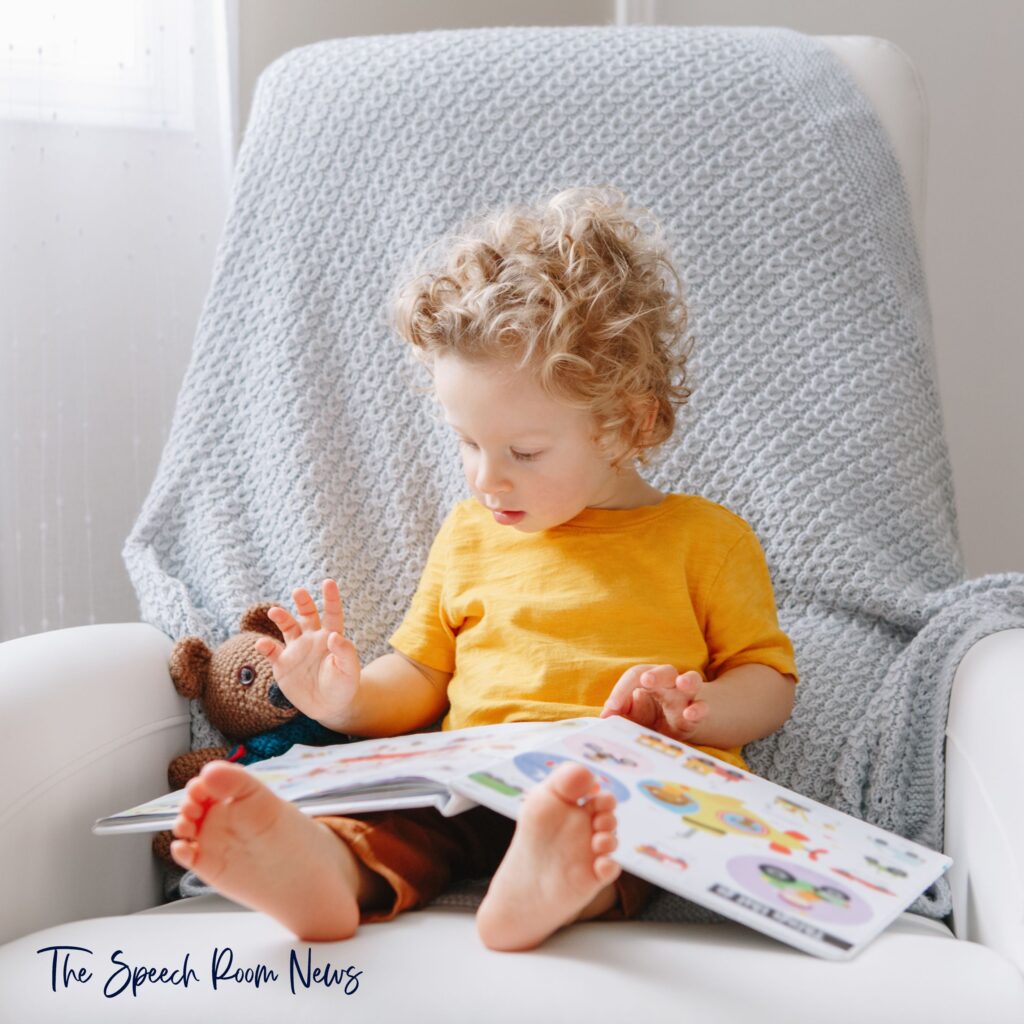
In conclusion, picture books are not merely entertainment but indispensable therapeutic tools in early intervention speech therapy. Their ability to promote language and vocabulary development, enhance narrative skills, stimulate imagination, and foster crucial social interactions makes them central to effective intervention. By carefully selecting and strategically utilizing interactive, durable, and board books, speech-language pathologists, in collaboration with families, can effectively target a wide array of speech and language goals. This approach not only addresses immediate communication difficulties but also lays a robust foundation for lifelong learning, academic success, and thriving social and emotional development, underscoring the enduring power of a good story in a child’s hands.
