

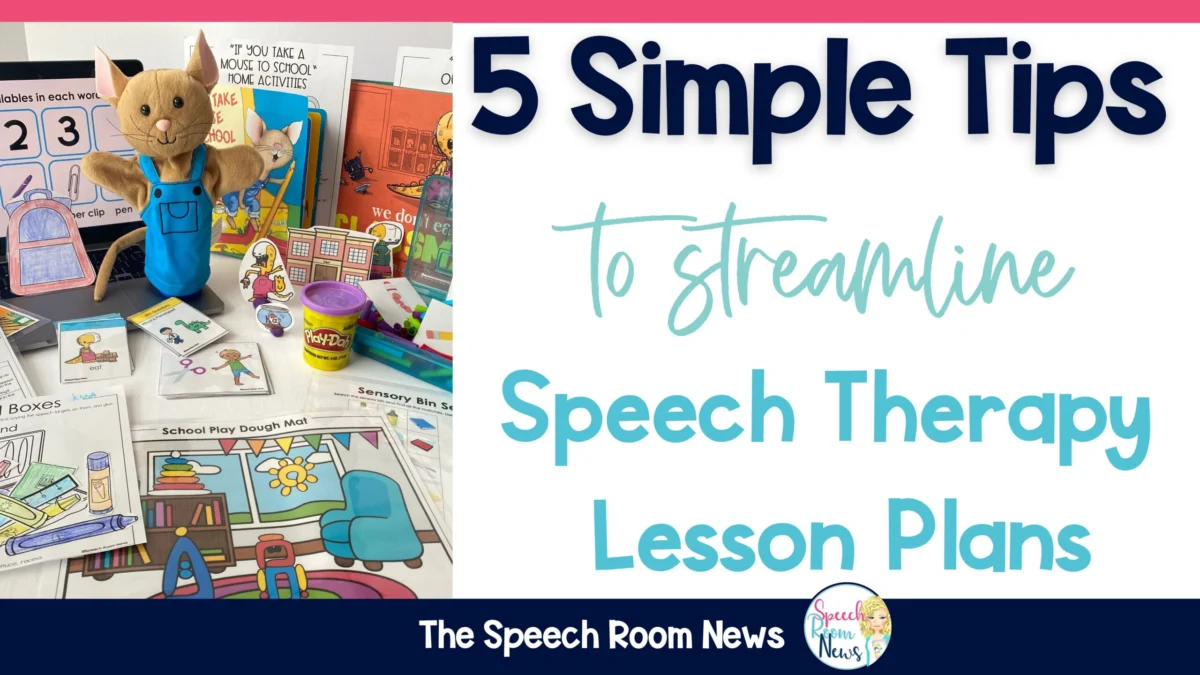
School-based Speech-Language Pathologists (SLPs) frequently grapple with substantial caseloads, often serving dozens of students with a wide array of communication goals. The traditional approach of meticulously crafting individualized lesson plans for each student for every session can quickly become an overwhelming and unsustainable burden, contributing to professional burnout and potentially impacting the quality of service delivery. Historically, many SLPs entering the field have reported feeling unprepared for the logistical demands of managing such diverse needs while maintaining efficient planning. This challenge underscores the critical need for strategic planning methodologies that streamline preparation without compromising therapeutic efficacy. This article explores five evidence-informed strategies and a crucial bonus tip designed to simplify lesson planning, foster consistency, and enhance student outcomes in school-based speech therapy settings.
The Evolving Landscape of School-Based Speech-Language Pathology
The role of a school-based SLP has evolved significantly over recent decades. What was once primarily focused on articulation and fluency disorders has expanded to encompass complex language impairments, social communication deficits, augmentative and alternative communication (AAC) needs, and literacy development, often within the context of diverse student populations, including those with learning disabilities, autism spectrum disorder, and emergent bilingualism. The American Speech-Language-Hearing Association (ASHA) guidelines recommend caseload sizes that allow for individualized, high-quality service, yet many SLPs report exceeding these recommendations, often managing 50-70 students or more. This discrepancy between recommended and actual caseloads directly impacts the time available for lesson preparation, necessitating innovative approaches to planning.
Early career SLPs, in particular, often face a steep learning curve in managing these demands. Anecdotal accounts from experienced professionals highlight initial struggles, such as spending excessive hours copying worksheets for individual students, a time-consuming practice that quickly proves inefficient when scaled across an entire caseload. The imperative to integrate therapy goals with the general education curriculum further adds layers of complexity, requiring SLPs to be not only clinical experts but also adept educational collaborators. These pressures necessitate a shift from individualistic, one-off lesson creation to more systematic, adaptable frameworks.
Five Strategies for Efficient Speech Therapy Lesson Planning
To address the multifaceted demands of modern school-based speech therapy, several planning strategies have emerged as highly effective in promoting efficiency, consistency, and therapeutic relevance. These approaches enable SLPs to leverage resources more effectively, minimize preparation time, and maximize direct intervention.
1. Embracing Theme-Based Therapy Planning
Theme-based therapy stands as a cornerstone for streamlined planning, particularly in elementary and preschool settings. This approach involves selecting a central theme for a week or month (e.g., "Fall Harvest," "Ocean Animals," "Community Helpers") and then aligning all therapeutic materials and activities around it. The primary advantage lies in its ability to unify diverse goals under a common context. For instance, a "Farm Animals" theme can simultaneously target:
- Articulation: Practicing /f/ in "farm," /p/ in "pig," /sh/ in "sheep."
- Vocabulary: Naming farm animals, tools, actions (e.g., "feed," "grow").
- Syntax/Grammar: Using "The cow is big," "The farmer drives the tractor."
- Prepositions: "The pig is in the mud," "The chicken is on the fence."
- Social Communication: Discussing farm chores, sharing facts about animals.
This method significantly reduces the need to create unique materials for each student or goal. Instead, SLPs can develop a core set of themed books, toys, worksheets, and crafts that are versatile enough to be adapted for multiple students within mixed groups. The pedagogical rationale behind theme-based instruction is rooted in cognitive science, which suggests that learning is enhanced when new information is connected to existing knowledge and presented within a meaningful context. Themes provide this context, facilitating vocabulary acquisition, concept development, and generalization of skills.
A significant long-term benefit of theme-based planning is the reusability of materials. Once a thematic unit is developed, it can be refined and reused year after year, building a robust library of pre-made resources. This initial investment in planning yields substantial returns in subsequent years, dramatically cutting down weekly preparation time. Furthermore, aligning therapy themes with classroom curriculum topics fosters better collaboration with teachers and promotes the carryover of skills into the academic environment, strengthening the SLP’s role as an integral part of the educational team.
2. Implementing Literacy-Based Therapy Plans
Integrating picture books into speech and language therapy is a powerful, evidence-based strategy for targeting a broad spectrum of communication goals. Literacy-based therapy leverages the rich linguistic environment provided by books to facilitate language development in a naturalistic and engaging manner. Research consistently demonstrates the efficacy of using shared book reading to enhance vocabulary, narrative skills, phonological awareness, and comprehension.
The framework for literacy-based intervention typically involves several key stages:
- Pre-story Knowledge Activation: Students discuss prior knowledge related to the book’s topic, activating relevant schemata and building anticipation.
- Shared Story Reading: The SLP reads the book aloud, modeling fluent reading and pausing to discuss vocabulary, make predictions, and highlight linguistic structures.
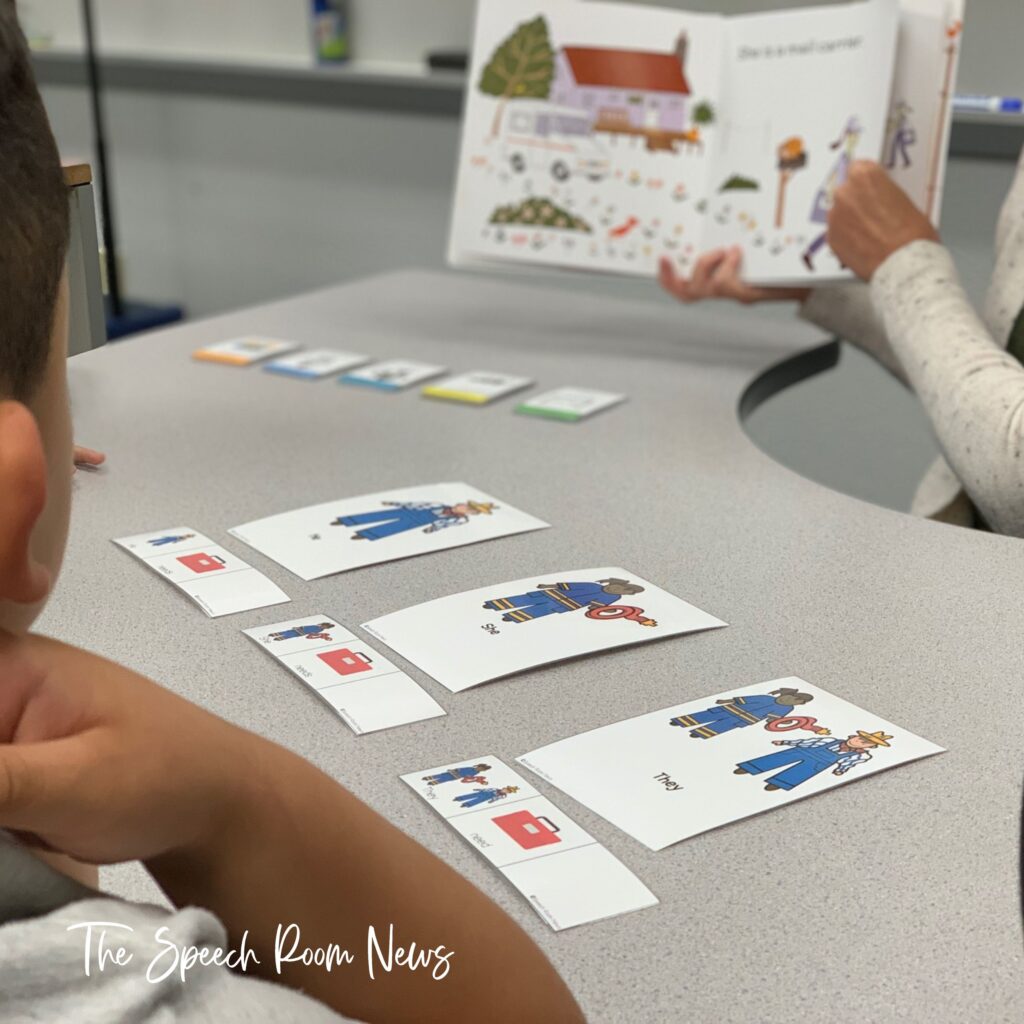
- Focused-Skill Activities: Specific activities are designed to target individual IEP goals using content from the book. For example, a book about a journey could be used to practice sequencing events, generating descriptive adjectives, or articulating target sounds embedded in character names.
- Post-Story Comprehension Discussion: Students engage in discussions that reinforce comprehension, encourage critical thinking, and allow for summarization or retelling.
One of the greatest strengths of this approach is its inherent adaptability for mixed groups. A single picture book can be a vehicle for addressing articulation (e.g., targeting /s/ sounds in "snake" from a jungle book), language (e.g., identifying verbs, explaining cause-and-effect), and social communication (e.g., discussing character emotions or problem-solving). Moreover, using books that are already part of the classroom curriculum further strengthens the link between therapy and academic learning, allowing SLPs to support students’ access to grade-level content. The availability of numerous pre-made, book-specific therapy materials online also reduces SLP preparation time, allowing for more focus on direct student interaction and individualized instruction.
3. Adopting a Narrative Language Approach
While closely related to literacy-based therapy, a narrative language approach offers a distinct focus on the structure and generation of stories, which is foundational for both academic and social success. Narrative skills involve the ability to recount personal experiences, retell stories, and create original narratives, encompassing elements such as plot, character development, setting, problem/resolution, and causal relationships. Research has firmly established a strong correlation between robust narrative skills and reading comprehension, written expression, and social competence. Students with strong narrative abilities are better equipped to understand classroom lectures, follow complex instructions, and engage in meaningful social interactions.
In a narrative language intervention, the emphasis shifts from detailed comprehension of a single book to understanding universal story grammar elements and applying them across multiple narratives. SLPs might present various short stories over several sessions, each designed to highlight specific story grammar components (e.g., identifying the "main character" and "setting" in one session, then focusing on the "problem" and "solution" in another). Key activities often include:
- Story Retell: Students retell stories heard or read, gradually incorporating more complex elements.
- Story Generation: Students create their own narratives, often prompted by visuals or story starters.
- Focus on Story Grammar: Explicit instruction using visual aids (e.g., story grammar icons for character, setting, initiating event, problem, plan, attempt, consequence, resolution).
- Complex Syntax and Vocabulary: Targeting advanced sentence structures and academic vocabulary within narrative contexts.
The significant benefit of this approach is its direct impact on skills crucial for curriculum success. By embedding IEP goals within narrative tasks, SLPs ensure that students are developing communication abilities that have immediate and far-reaching carryover into their academic and social lives. This method fosters generalization by exposing students to diverse narrative structures and encouraging them to apply learned story grammar principles to new contexts, thereby strengthening their overall communication competence.
4. Maximizing a Single Therapy Toy or Game for Multiple Goals
One of the most practical and least prep-intensive strategies involves utilizing a single, versatile toy or game to target a multitude of speech and language goals within a therapy session. This play-based approach is particularly effective for engaging younger students and those who benefit from hands-on, interactive learning. The brilliance of this method lies in the SLP’s ability to adapt the game’s mechanics or the toy’s features to elicit target responses, making each interaction a therapeutic opportunity.
Consider the classic board game Candyland. Beyond its basic rules, an SLP can integrate custom cards or prompts to target:
- Articulation: Students must say a word containing their target sound before taking a turn.
- Vocabulary: Naming the colors, describing the candy characters, or identifying actions.
- Syntax/Grammar: Producing complete sentences ("I moved to the red square"), using pronouns ("He went to the gingerbread house").
- Social Skills: Turn-taking, expressing frustration appropriately, congratulating peers.
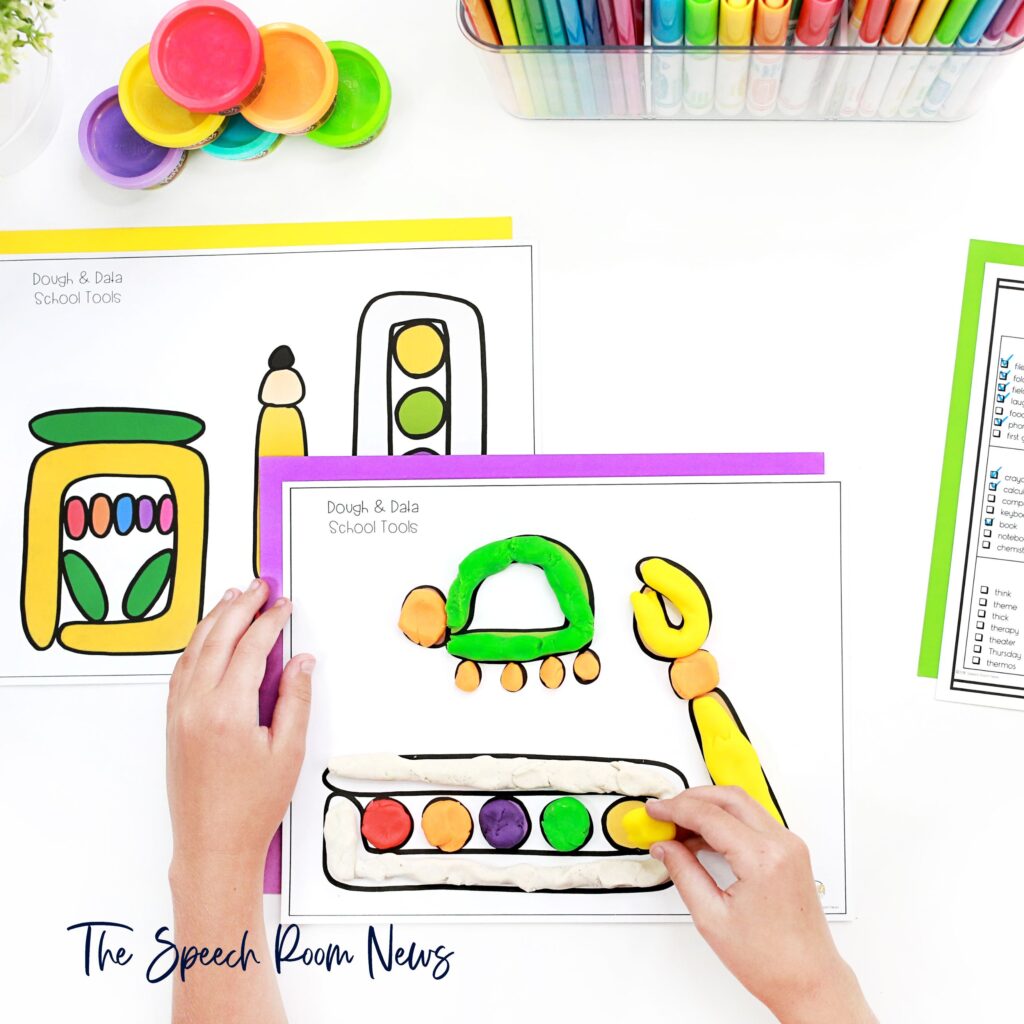
Play-Doh is another exemplary tool. Its tactile nature makes it highly engaging, and it can be used for:
- Articulation: Forming shapes that begin with target sounds.
- Vocabulary: Naming colors, actions (e.g., "roll," "squish," "cut"), shapes.
- Following Directions: "Make a long, skinny snake," "Put the blue Play-Doh on top of the yellow."
- Fine Motor Skills: Simultaneously addressing pre-writing skills.
- The "Dough and Data Set" mentioned in the original article exemplifies how data collection can be seamlessly integrated into play-based activities, offering a no-prep method for progress monitoring.
Mini objects offer unparalleled versatility due to their small size and representational nature. They are ideal for:
- Vocabulary: Naming, categorizing, describing attributes.
- Articulation: Targeting sounds in initial, medial, or final positions.
- Prepositions: "Put the car under the table," "The spoon is in the cup."
- Storytelling: Using objects as props for spontaneous narratives.
- Sensory bins: Embedding objects in sensory materials for discovery and language elicitation.
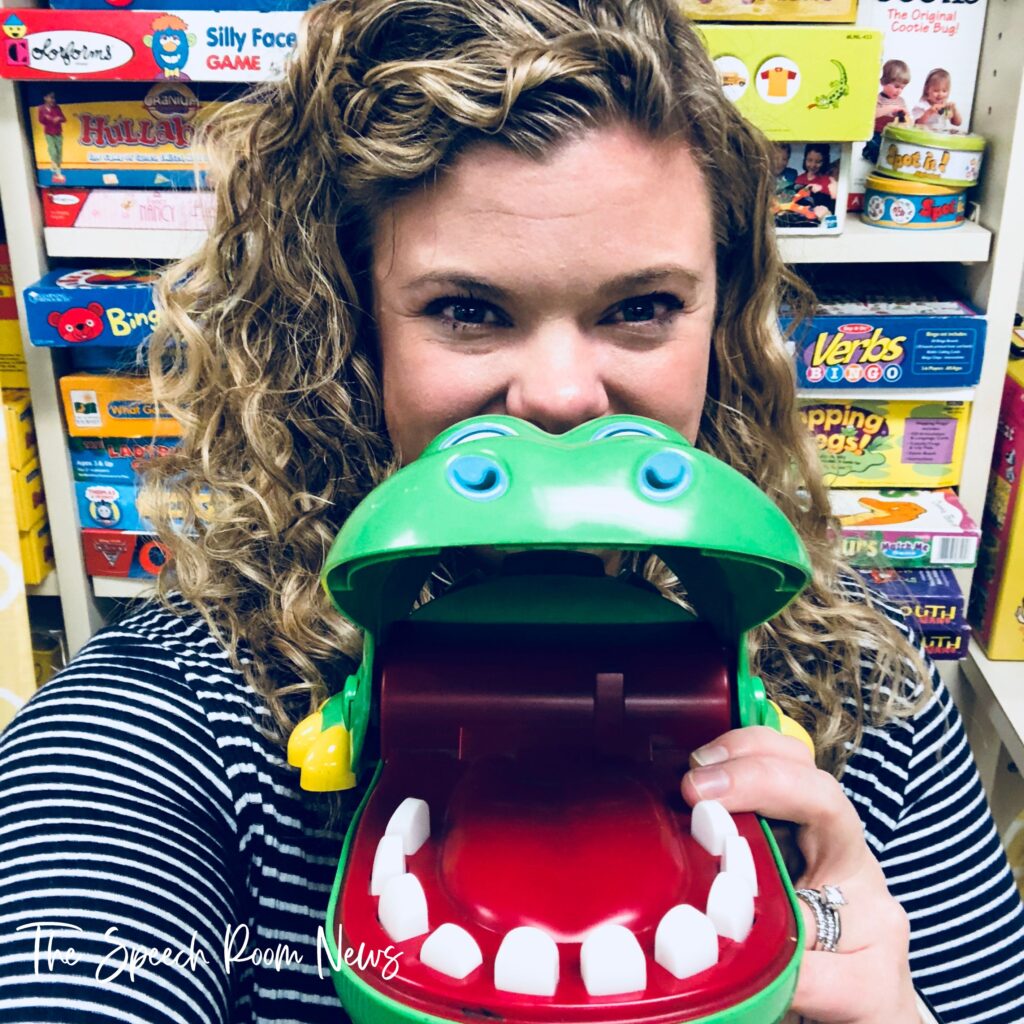
Other popular toys like the Crocodile Dentist game can be adapted for articulation practice (e.g., saying a target word each time a tooth is pressed) or language goals (e.g., describing the crocodile, using verbs like "chomp," "bite"). Similarly, an ice cream shop playset provides rich opportunities for:
- Vocabulary: Naming flavors, toppings, utensils.
- Syntax: Requesting items ("Can I have chocolate ice cream, please?"), using descriptive language.
- Prepositions: "Put the sprinkles on top," "The scoop is in the container."
- Social Scripts: Practicing ordering, taking turns, polite exchanges.
The underlying principle is that a skilled SLP can transform almost any engaging toy or game into a therapeutic tool, reducing the need for extensive material preparation and allowing for spontaneous, student-led learning experiences. This approach significantly lowers an SLP’s cognitive load related to planning, enabling them to focus more on dynamic assessment and responsive teaching during the session.
5. Leveraging AAC Core Word of the Week (WOW) for AAC Users
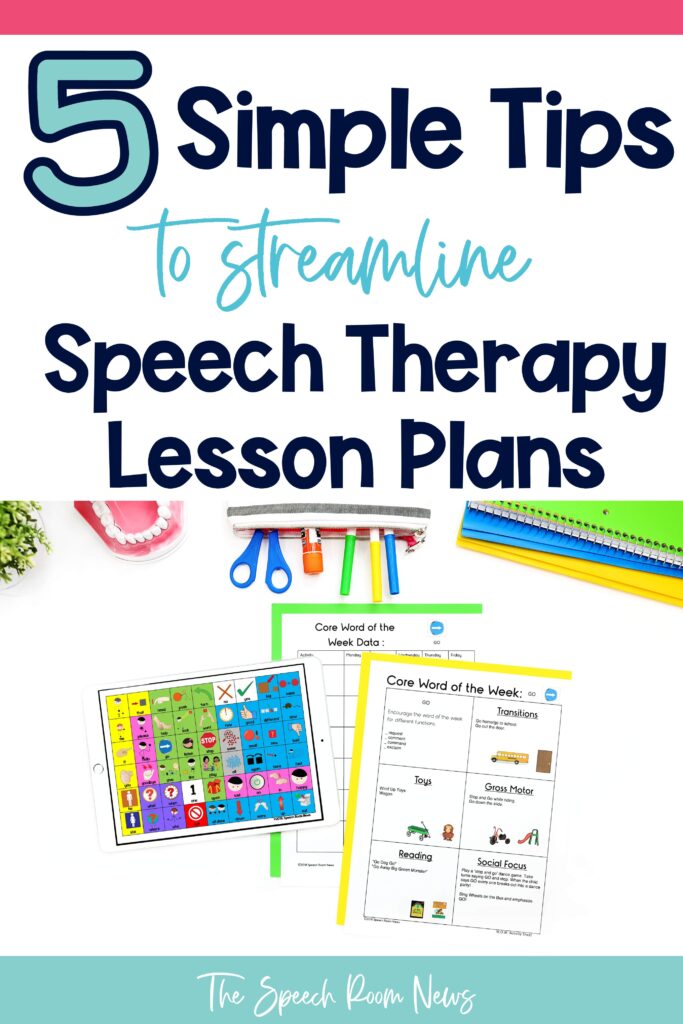
For students utilizing Augmentative and Alternative Communication (AAC) systems, a structured "Core Word of the Week" (WOW) program is an invaluable strategy for systematic instruction and generalization. Core words are a small set of highly functional, frequently used words (e.g., "go," "want," "more," "stop," "in," "out") that can be combined to express a wide range of meanings across various contexts. Focusing on these high-frequency words empowers AAC users to communicate effectively and spontaneously.
The AAC Core Word of the Week approach provides a clear, consistent framework for teaching and reinforcing core vocabulary. This framework is not just for the SLP but is designed to involve the entire educational team and family, promoting a truly communicative environment. A typical WOW lesson plan might include:
- Target Core Words: Focusing on 2-4 core words per week or month.
- Lesson Structure: Providing activities, modeling strategies, and generalization ideas.
- Visual Supports: Signs for doors and rooms, visual schedules incorporating the core words.
- Parent Communication: Letters sent home explaining the core words and suggesting ways for families to practice.
- Team Collaboration: Ensuring teachers, paraprofessionals, and other therapists are consistently modeling and prompting the use of the target core words across all settings.
The systematic nature of a WOW program offers several critical benefits. It reduces planning time for the SLP by providing pre-designed instructional materials and activities. More importantly, it ensures consistent exposure and practice of essential vocabulary, which is crucial for AAC users to develop fluency and confidence in their communication. Research on AAC intervention emphasizes the importance of consistent modeling and opportunities for practice across environments to facilitate robust language development. By providing a shared focus, the WOW program fosters a collaborative team approach, maximizing the student’s opportunities for communication growth and ensuring that AAC becomes an integrated part of their daily life, not just a therapy tool.
Bonus Tip: Cultivating a "Grab and Go" Material Arsenal
Beyond systematic planning, maintaining a readily accessible collection of "Grab and Go" materials is indispensable for any school-based SLP. These pre-prepped, versatile resources serve as crucial backups for unexpected situations, filler activities, or when last-minute planning becomes impossible due to unforeseen circumstances. The psychological benefit of having these materials on hand cannot be overstated, significantly reducing stress and ensuring continuity of service.
Essential "Grab and Go" categories include:
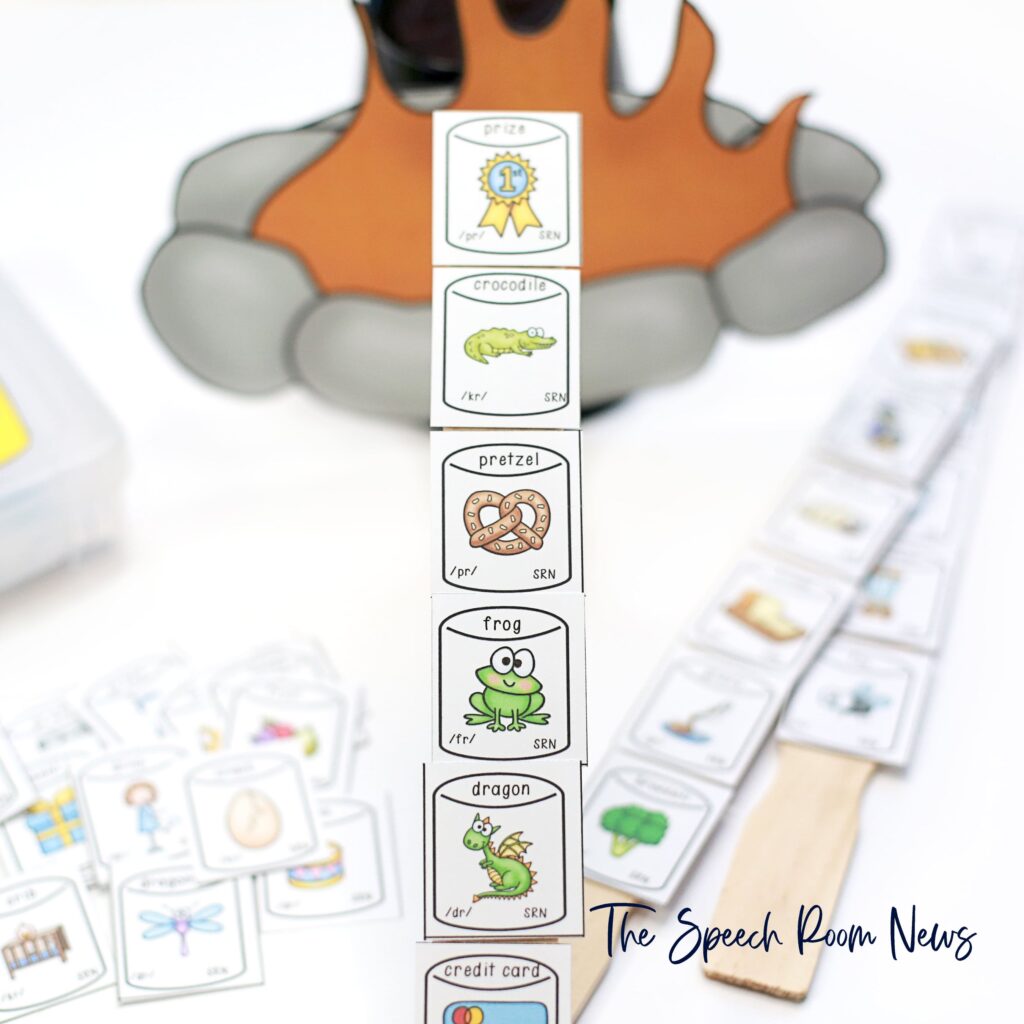
- Articulation Cards: Comprehensive sets targeting various phonemes in different word positions. These are highly adaptable for drills, games, or even as visual prompts during conversational tasks.
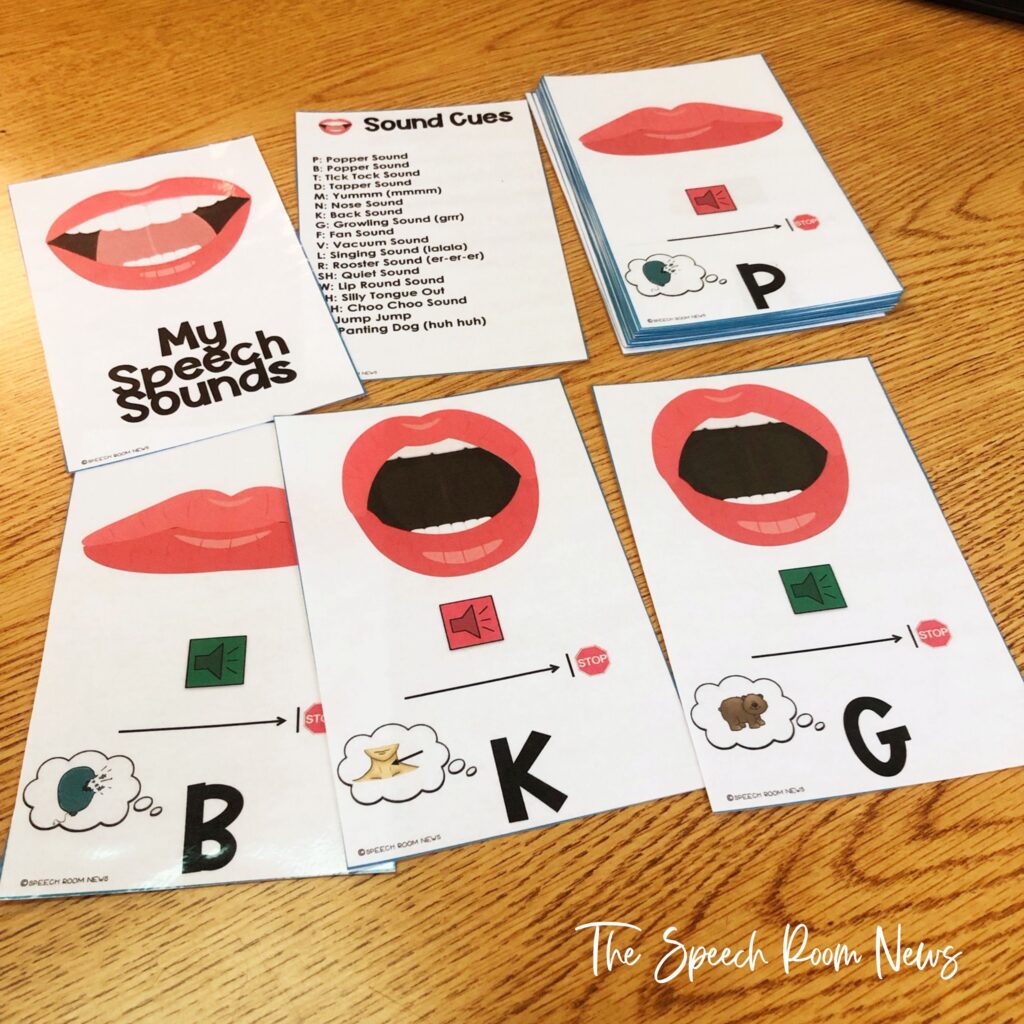
- Visual Supports: Behavior charts, first/then boards, visual schedules, and "speech helpers" visuals (e.g., diagrams of the mouth for articulation placement) are critical for managing behavior, supporting transitions, and providing explicit instruction.
- Print & Go Articulation and Phonology Home Packets: Ready-to-send resources for home practice, ensuring consistent reinforcement outside of therapy sessions. These are invaluable for parent involvement and carryover.
- General Language Activities: Simple worksheets, card games, or open-ended prompts that can be quickly adapted to target vocabulary, grammar, or comprehension goals.
- Basic Supplies: Markers, paper, dice, timers, and small manipulatives that can turn any simple activity into an engaging therapeutic task.
Having these materials organized and easily retrievable saves precious time, maintains professional composure during busy weeks, and ensures that valuable therapy minutes are never wasted. They are also invaluable for substitute SLPs, allowing for seamless service delivery even in the absence of the primary therapist.
Implications for Professional Practice and Student Outcomes
The adoption of streamlined lesson planning strategies holds significant implications for both SLP professional well-being and student success. By reducing the laborious and time-consuming aspects of planning, SLPs can allocate more energy to direct therapy, data analysis, report writing, and collaboration with colleagues and families. This reduction in administrative burden can directly combat professional burnout, a pervasive issue in high-demand fields like speech-language pathology, potentially improving SLP retention rates within school districts.
From a student perspective, these systematic approaches lead to more consistent, engaging, and curriculum-relevant therapy. Theme-based and literacy-based interventions embed speech and language goals within meaningful contexts, enhancing motivation and facilitating generalization of skills into academic and social settings. The narrative language approach directly addresses foundational skills for literacy, while the consistent use of AAC core words empowers non-verbal students to communicate more effectively across their day. The flexibility offered by single-toy interventions and "grab and go" materials ensures that therapy remains dynamic and responsive to individual student needs, even amidst challenging scheduling or unexpected events.
Ultimately, by embracing these evidence-informed planning strategies, school-based SLPs can transform their practice from a reactive, time-intensive endeavor into a proactive, efficient, and highly impactful component of the educational system, fostering optimal communication development for all students on their caseloads. The shift towards strategic, adaptable planning is not merely a matter of convenience but a critical step towards enhancing the quality and sustainability of speech-language pathology services in schools.
