

In the critical landscape of early childhood development, picture books have emerged as indispensable tools in speech and language therapy, profoundly impacting communication skills and cognitive growth in young children. These carefully selected literary resources are pivotal for Speech-Language Pathologists (SLPs) working with children from birth to approximately three years of age, enhancing language acquisition, stimulating imagination, and creating an engaging, effective learning environment. The strategic integration of picture books supports a holistic approach to early intervention, targeting specific speech and language goals while fostering a love for reading and learning.
Understanding Early Intervention Speech Therapy

Early intervention in speech therapy represents a proactive and crucial approach to addressing speech and language difficulties as soon as they are identified in young children. This specialized field focuses on infants and toddlers, leveraging the immense neuroplasticity of the developing brain during these formative years. The primary objective is to support and enhance a child’s communication skills, thereby maximizing their developmental potential across various domains. Data from the Centers for Disease Control and Prevention (CDC) indicate that approximately 1 in 6 children aged 3–17 years in the United States has one or more developmental disabilities, with speech and language delays being among the most common. Early identification and intervention are consistently shown to yield significantly better outcomes compared to delayed intervention, often reducing the need for more intensive and costly services later in life.
The typical age range for early intervention speech therapy extends from birth to three years, a period characterized by rapid cognitive and linguistic development. During this window, SLPs collaborate extensively with families and caregivers, recognizing them as active participants in the therapeutic process. Individualized treatment plans are designed not only for clinical sessions but also to be seamlessly integrated into daily routines at home, ensuring consistent reinforcement and generalization of learned skills. This family-centered approach is a cornerstone of effective early intervention, empowering parents to become primary facilitators of their child’s language growth.
The Foundational Importance of Books in Therapy
Books are powerful instruments in speech and language therapy, offering a multifaceted approach to developmental support. Their benefits extend beyond simple vocabulary acquisition, touching upon narrative development, imaginative play, and foundational literacy skills. Research consistently highlights that early exposure to books correlates with stronger language skills, improved school readiness, and enhanced cognitive abilities.
Promoting Language and Vocabulary Development: Picture books expose children to a vast array of words, often presented in contextually rich and repetitive formats. Through shared reading experiences, SLPs can introduce new vocabulary, reinforce existing concepts, and encourage expressive language skills by prompting children to name objects, actions, and describe scenes. The visual cues in picture books provide crucial support for comprehension, particularly for children with emerging language skills. Studies have shown that children who are read to regularly develop larger vocabularies and more sophisticated grammatical structures than those who are not.
Enhancing Storytelling and Narrative Skills: Engaging with books is a primary pathway for nurturing storytelling abilities and narrative skills. As children follow plots and characters, they implicitly learn about story structure, sequencing of events, cause-and-effect relationships, and character motivations. These narrative competencies are fundamental for effective communication, enabling children to recount personal experiences, understand social interactions, and participate meaningfully in conversations. SLPs can guide children through retelling stories, predicting outcomes, and identifying key elements, thereby scaffolding their narrative development.
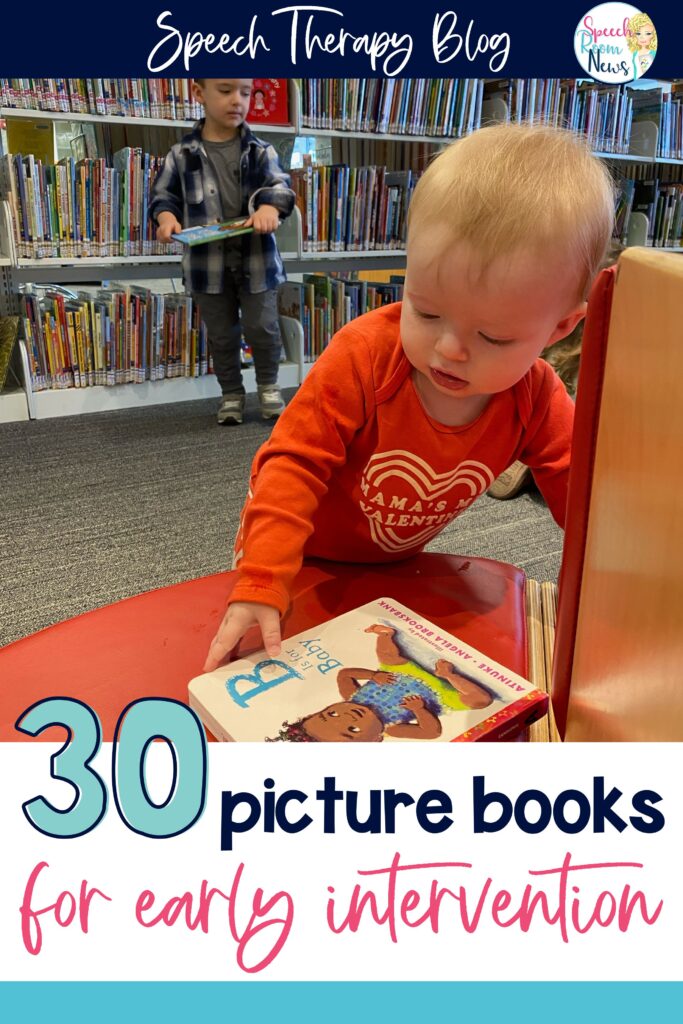
Stimulating Imagination and Creativity: Picture books transport children to imaginative worlds, fostering creativity and critical thinking. They encourage children to visualize and describe scenes, characters, and events, thereby promoting expressive language and descriptive skills. By discussing what might happen next, how a character feels, or what they would do in a similar situation, children develop inferential thinking and empathy, crucial cognitive and social skills. This imaginative play, often sparked by stories, is vital for problem-solving and flexible thinking.
Fostering Social-Emotional Learning: Shared reading experiences also provide opportunities for social-emotional development. Turn-taking during page-flipping, joint attention to illustrations, and discussing characters’ emotions help children develop social reciprocity and emotional literacy. These interactions build a foundation for understanding social cues and engaging in reciprocal communication.
Laying the Groundwork for Literacy: Beyond direct speech and language goals, picture books are foundational for pre-literacy skills. Children learn about print awareness (recognizing words, letters, reading direction), phonological awareness (rhyming, alliteration, sound segmentation), and the connection between spoken and written language. These early exposures significantly contribute to future reading success.
Strategic Selection: Tailoring Books for Therapeutic Goals
The selection of picture books in early intervention is not arbitrary; it is a deliberate process guided by specific therapeutic objectives. SLPs carefully choose books that align with a child’s developmental stage, interests, and individualized speech and language goals. Categories of books often recommended for this age group include interactive books, durable books, and board books, each offering unique benefits.
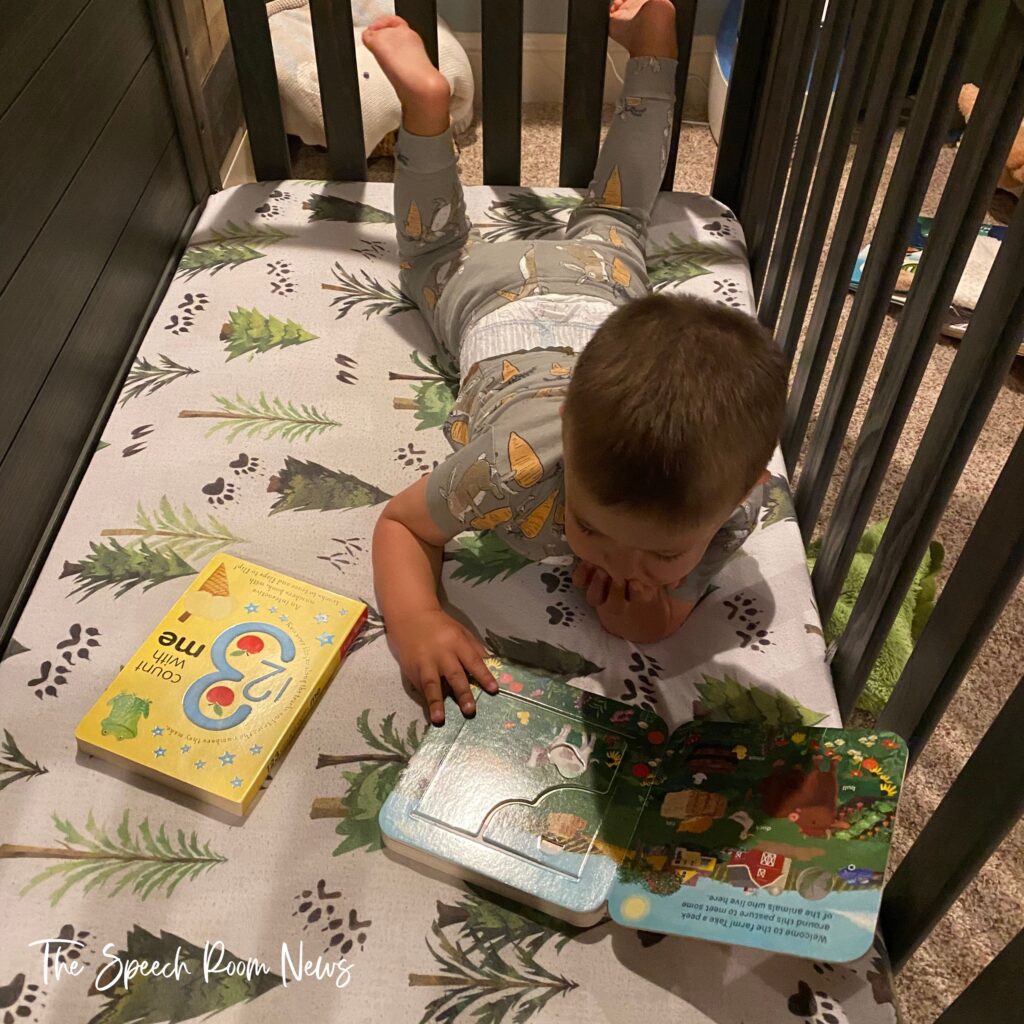
Interactive Books: These books are designed to encourage touch, manipulation, and direct engagement, providing valuable opportunities to increase attention, promote vocabulary development, and engage multiple senses. Features such as lift-the-flaps, textures (touch-and-feel books), sound buttons, or puppets integrated into the narrative capture a child’s attention and facilitate active participation. For instance, a book with a lift-the-flap feature can target requesting skills ("open," "more"), prepositions ("under," "behind"), and object identification. The dynamic nature of interactive books makes them highly effective for eliciting vocalizations, gestures, and early word attempts. A comprehensive list of such books often includes titles known for their engaging elements and opportunities for call-and-response.
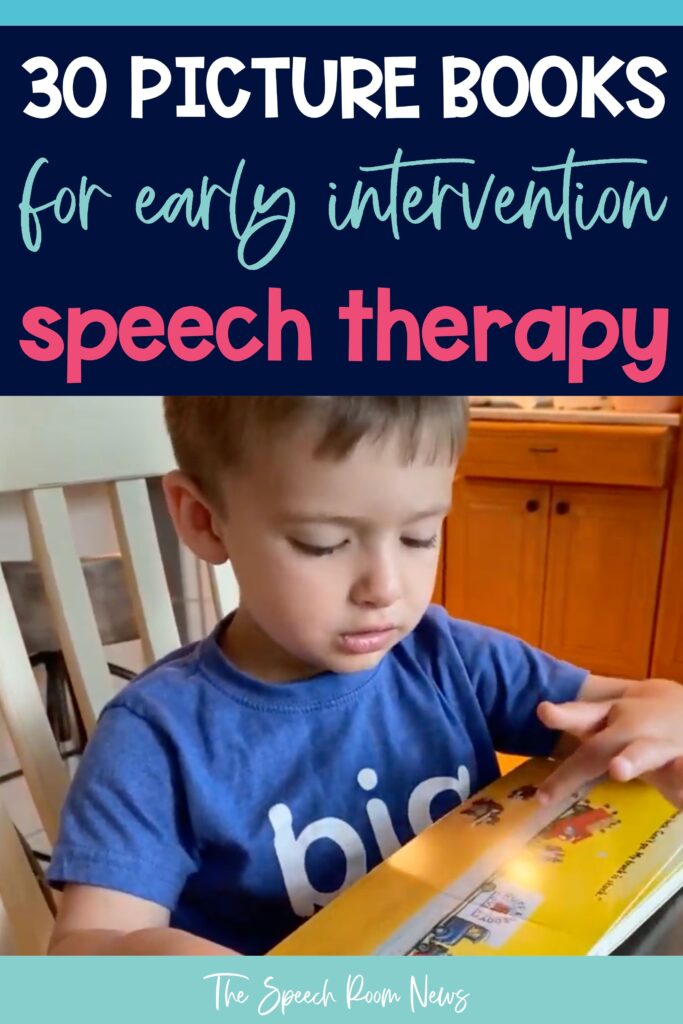
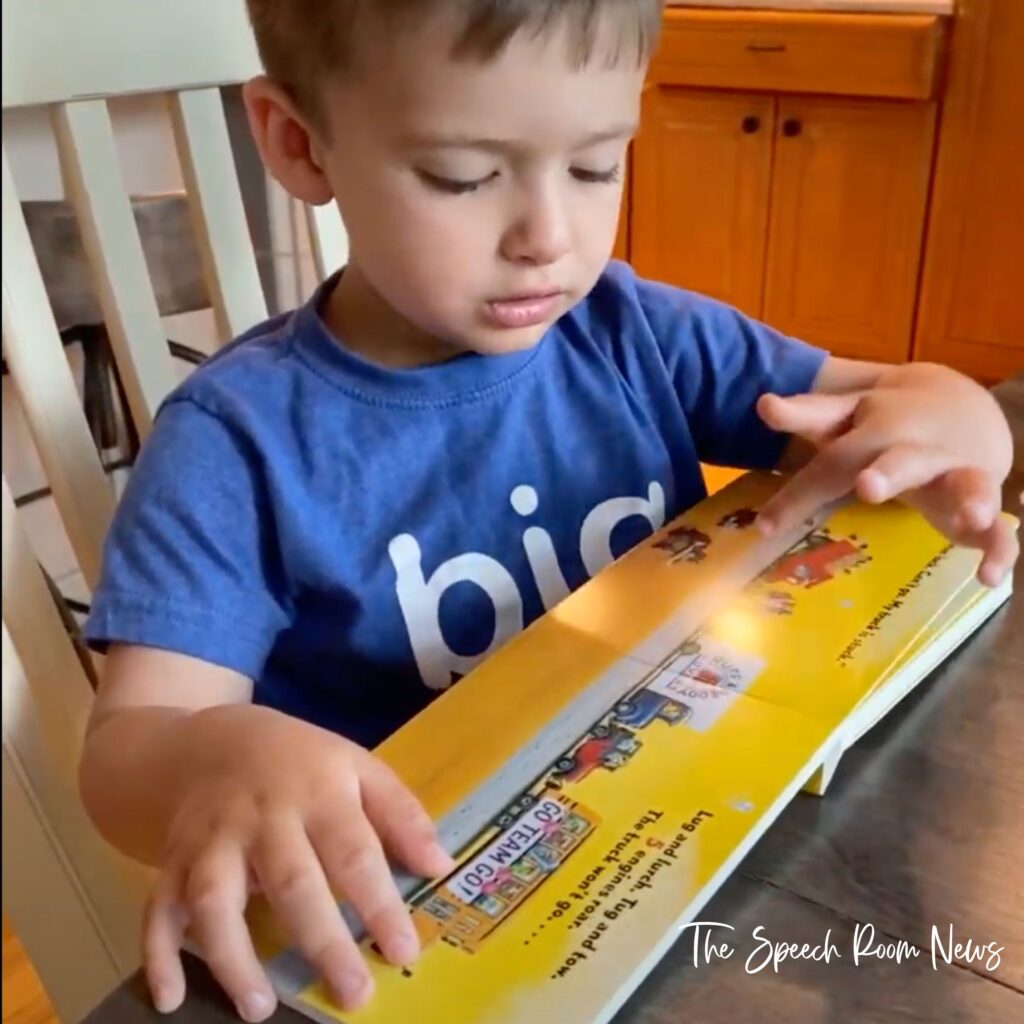
Durable Books: Given the typical handling by infants and toddlers, durable books are essential for early intervention speech therapy. These books feature sturdy pages made of cardboard, fabric, or plastic that can withstand repeated handling, chewing, and general wear and tear without damage. Their resilience ensures that they remain usable for multiple sessions and can be safely explored by young children without fear of tearing or destruction. The focus on durability allows children to freely interact with the book, reducing anxiety for both the child and the therapist about potential damage. Recommendations in this category often include classic stories adapted into board book format or novelty books designed with robust materials.
Board Books: Board books are a cornerstone of early literacy and speech therapy dueishing to their robust construction, repetitive text, engaging pictures, and potential for incorporating songs or rhythmic chants. The thick cardboard pages are easy for small hands to turn, promoting fine motor skills alongside language development. The repetitive nature of the text in many board books is particularly beneficial for language acquisition, as it provides predictable patterns and multiple opportunities for children to anticipate words, complete phrases, and practice new vocabulary. Many board books lend themselves naturally to singing, adding an auditory and rhythmic dimension that further supports phonological awareness and memory. Titles in this category are typically chosen for their clear, simple illustrations, predictable storylines, and opportunities for interaction.
The Role of Family and Caregivers in Intervention
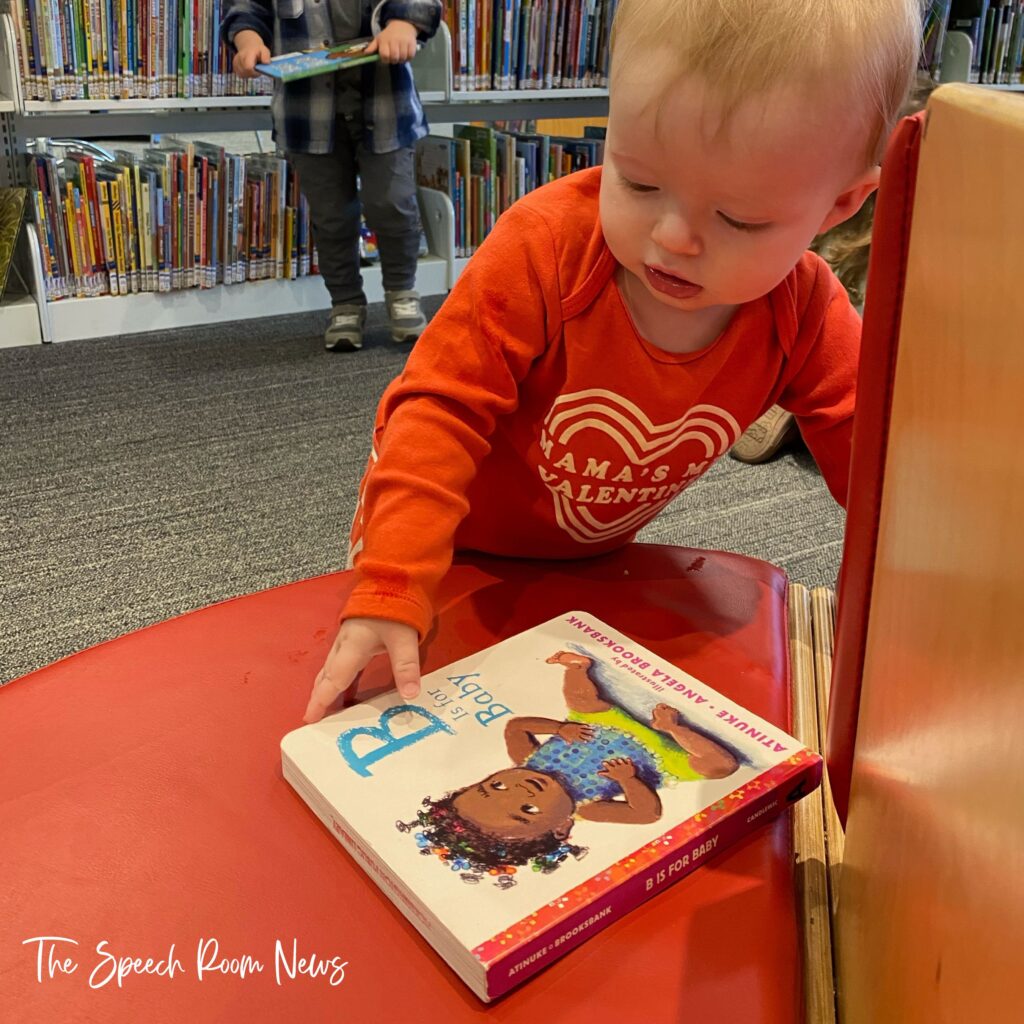
A critical component of successful early intervention is the active involvement of families and caregivers. SLPs empower parents with strategies and techniques to integrate therapeutic practices into daily life, transforming everyday routines into language-learning opportunities. Through modeling, coaching, and providing resources, therapists ensure that the principles learned in sessions are reinforced at home. Reading picture books together is one of the most accessible and enjoyable ways for parents to support their child’s language development. Parents learn how to ask open-ended questions, expand on their child’s vocalizations, point out objects, and engage in "dialogic reading," where the adult and child discuss the book interactively. This collaborative approach maximizes the child’s progress and fosters a positive parent-child bond centered around communication and shared experiences.
Broader Impact and Long-Term Implications
The positive effects of early intervention speech therapy, particularly when utilizing tools like picture books, extend far beyond the immediate improvement of communication skills. Successful early intervention has profound long-term implications for a child’s overall development:
- Academic Success: Children with strong early language skills are better prepared for kindergarten, demonstrating improved pre-reading abilities, stronger comprehension, and greater participation in classroom activities. This early advantage often translates into sustained academic achievement throughout their schooling.
- Social Integration: Effective communication is fundamental for social interaction. Children who can express themselves clearly and understand others are more likely to form friendships, participate in group activities, and navigate social situations with confidence, reducing feelings of isolation or frustration.
- Emotional Well-being: The ability to communicate needs, wants, and feelings is crucial for emotional regulation. Children who struggle with communication may experience increased frustration, anxiety, or behavioral challenges. Early intervention helps alleviate these stressors, fostering greater emotional resilience and self-esteem.
- Reduced Need for Later Services: Evidence suggests that early, intensive intervention can significantly reduce the need for more extensive and specialized educational or therapeutic services in later childhood, leading to substantial cost savings for families and public systems.
- Improved Quality of Life: Ultimately, strong communication skills enhance a child’s overall quality of life, empowering them to engage fully with their environment, express their individuality, and pursue their potential.
Expert Consensus and Professional Guidelines
Professional organizations, such as the American Speech-Language-Hearing Association (ASHA), consistently advocate for evidence-based practices in early intervention. The use of culturally and linguistically appropriate picture books aligns with these guidelines, recognizing the importance of engaging children in meaningful, play-based activities that foster communication within natural contexts. SLPs are trained to select books that not only target specific linguistic goals (e.g., phonemes, grammatical structures, semantic categories) but also resonate with a child’s cultural background and developmental level, ensuring maximum engagement and relevance.
In conclusion, picture books are far more than mere entertainment in the realm of early intervention speech therapy; they are foundational, accessible, and highly effective therapeutic tools. By leveraging the power of engaging narratives, vibrant illustrations, and interactive elements, SLPs can foster language growth, stimulate imagination, and build a robust foundation for lifelong learning and communication in young children. The strategic integration of these resources, coupled with active family involvement, underscores the transformative potential of early intervention in shaping a child’s developmental trajectory and ensuring their optimal participation in the world.
