


Curriculum Night, a cornerstone event in the academic calendar, has evolved beyond a mere introduction to classroom teachers, increasingly serving as a vital platform for specialized educators, including Speech-Language Pathologists (SLPs), to connect with families and demonstrate their indispensable contribution to student success. This annual gathering offers SLPs a unique opportunity to showcase the profound impact of speech and language therapy, fostering crucial partnerships between school and home.
Understanding Curriculum Night: A Foundational Event
Traditionally, Curriculum Night is an annual event held early in the school year, designed to provide parents with an immersive overview of their child’s educational journey. It offers an opportunity to meet teachers, understand the academic curriculum, learn about classroom expectations, and gain insight into the learning environment. For decades, the focus primarily rested on general education teachers presenting subject matter, homework policies, and classroom routines. However, as educational frameworks have become more inclusive and student-centric, the scope of Curriculum Night has broadened to encompass the full spectrum of support services available within a school system. This shift acknowledges that a child’s educational experience is multifaceted, extending beyond the core curriculum to include crucial ancillary services that address diverse learning needs. The event typically involves staggered sessions, allowing parents to visit multiple classrooms or specialist presentations, fostering a holistic understanding of the resources supporting their child.
The Expanding Mandate: Integrating Specialized Support

The inclusion of specialists like Speech-Language Pathologists in Curriculum Night reflects a growing recognition of their critical role in student development and academic achievement. For many years, the work of SLPs, school psychologists, occupational therapists, and physical therapists often occurred behind the scenes, with parent interactions primarily limited to Individualized Education Program (IEP) meetings or specific therapy updates. However, modern educational philosophy advocates for proactive engagement and transparency, ensuring parents are not only informed but also empowered partners in their child’s therapeutic and academic journey. This proactive approach is particularly pertinent for speech and language services, given that communication is fundamental to all aspects of learning and social interaction. By participating in Curriculum Night, SLPs move from a reactive, need-based interaction to a proactive, community-building engagement, demystifying their profession and highlighting its relevance to every child’s educational path.
The Indispensable Role of Speech-Language Pathologists in Education
The presence of SLPs at Curriculum Night is not merely supplementary; it is essential. Speech and language disorders are among the most common disabilities affecting school-aged children. According to the National Institute on Deafness and Other Communication Disorders (NIDCD), approximately 5% of children have a noticeable speech disorder by the first grade, and between 6% and 8% of children have a language impairment. These statistics underscore the pervasive need for speech-language services within schools. Undiagnosed or untreated communication difficulties can significantly impede a child’s academic progress, social-emotional development, and future vocational opportunities. Early identification and intervention are paramount, and Curriculum Night provides a unique, low-stakes environment for parents to learn about developmental milestones, signs of concern, and the therapeutic interventions available. For parents whose children already receive services, it offers a deeper understanding of the therapy goals and strategies employed, fostering greater continuity between school-based intervention and home life.
Strategic Engagement: Crafting an Impactful Presentation
For Speech-Language Pathologists, Curriculum Night represents a prime opportunity to bridge the information gap and cultivate strong home-school partnerships. The effectiveness of an SLP’s presentation hinges on strategic planning and a clear understanding of the audience’s needs.

1. Selecting Pertinent Topics: The choice of topic is crucial for engaging parents and providing valuable, actionable insights. Rather than a general overview of speech therapy, successful presentations often focus on specific areas of common parental concern or provide practical strategies. Examples of impactful topics include:
- Communication Milestones: Guiding parents through age-appropriate speech and language development markers, helping them identify potential areas of concern. This can be supported by charts or visual aids from reputable sources like the American Speech-Language-Hearing Association (ASHA).
- Effective Home Practice Strategies: Providing concrete, easy-to-implement activities that parents can integrate into daily routines to support their child’s communication skills. This moves beyond theoretical discussions to practical application.
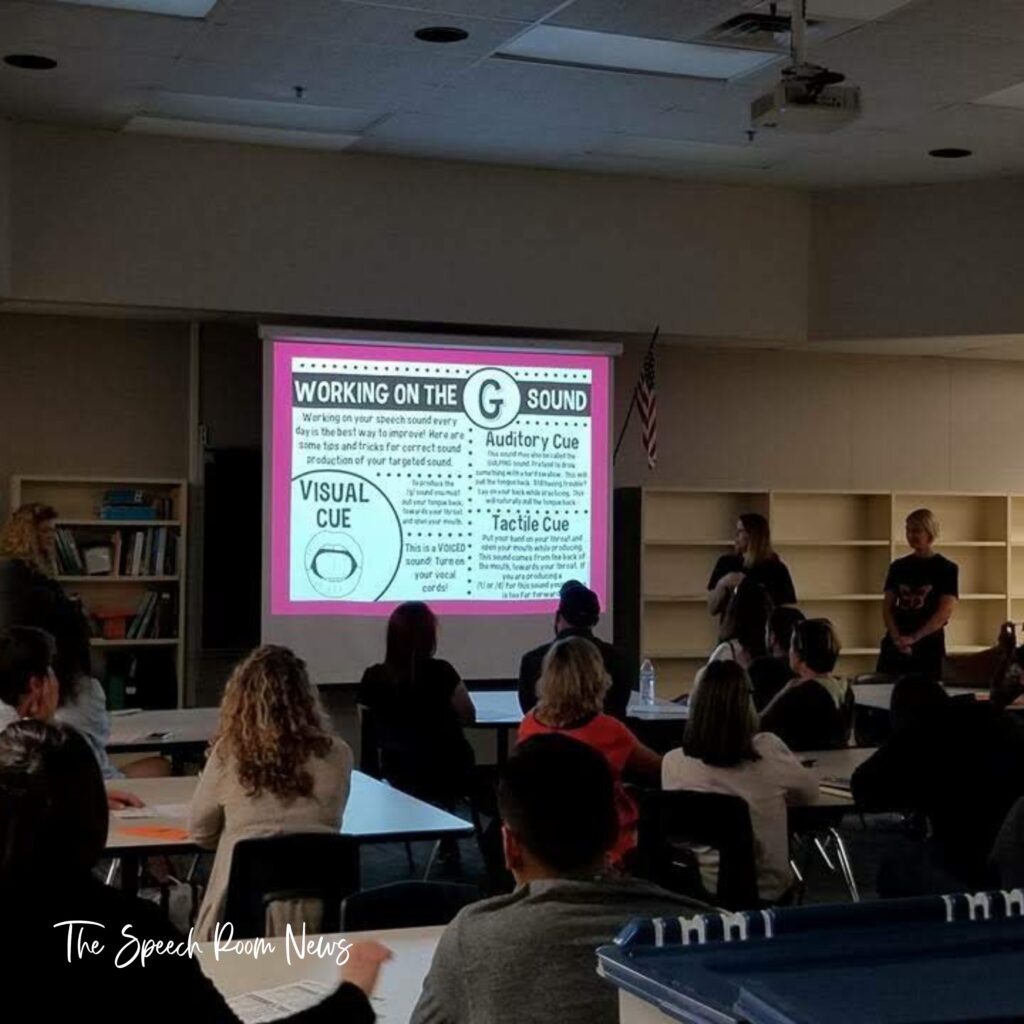
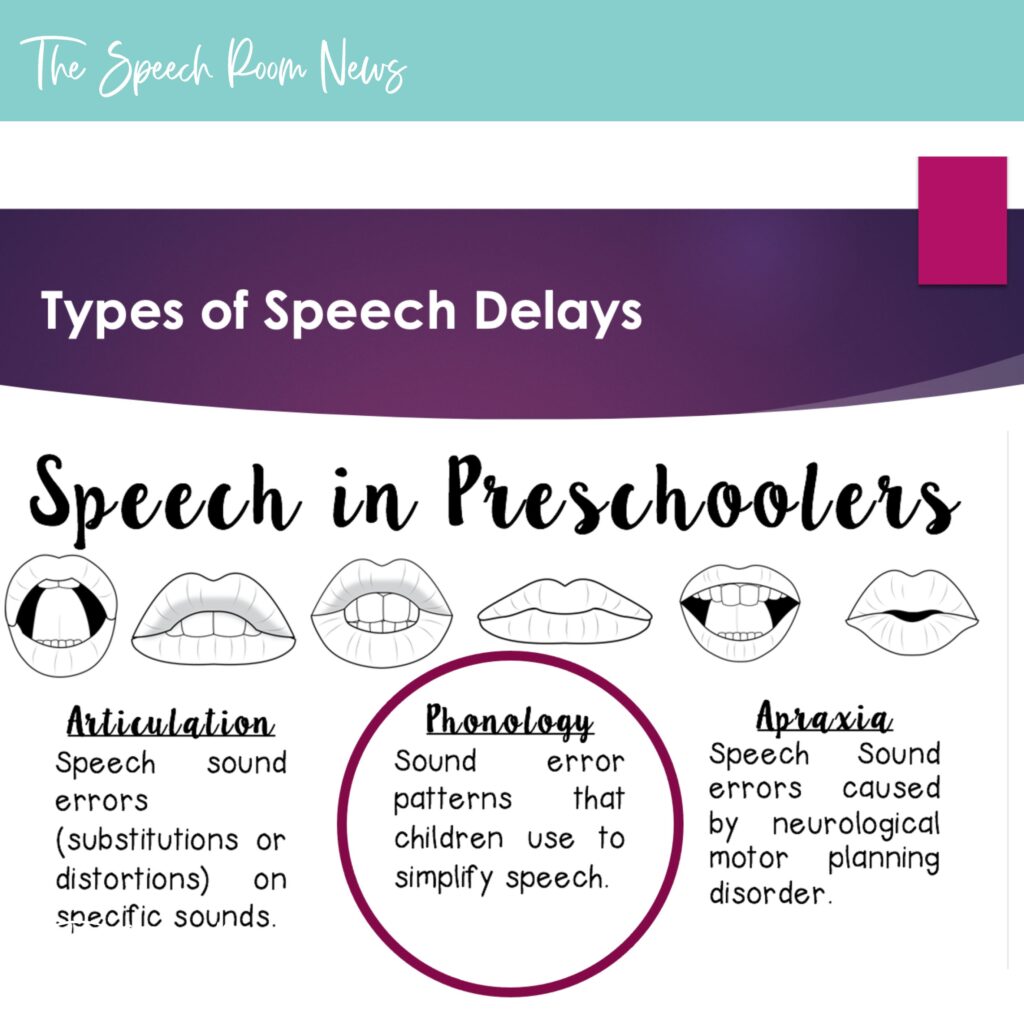
- Understanding Specific Communication Disorders: Offering simplified explanations of common conditions like articulation disorders, language delays, fluency disorders (stuttering), or social communication difficulties, reducing stigma and increasing understanding.
- Augmentative and Alternative Communication (AAC): For programs serving children with complex communication needs, demystifying AAC devices and strategies can be invaluable for parents, showcasing how technology can empower their children.
- Literacy Connections: Explaining how speech and language skills form the foundation for reading and writing, highlighting the SLP’s role in early literacy development.
- The IEP Process Explained: For parents new to special education, a simplified overview of the IEP process, their rights, and how to effectively collaborate can alleviate anxiety.
The key is to select a topic that resonates with the audience, addressing their curiosities or anxieties, and directly showcasing the tangible benefits of speech-language pathology.
2. Addressing Real Parental Concerns: The most impactful presentations are those that directly solve problems parents are facing. This moves beyond merely explaining what an SLP does to demonstrating how an SLP can positively impact a child’s daily life. Parents often arrive at Curriculum Night with specific questions or anxieties about their child’s development, academic struggles, or social interactions. An SLP’s presentation should anticipate these concerns and offer practical, evidence-based solutions. For instance, if parents frequently express frustration with their child’s unclear speech, a session on articulation strategies that can be practiced at home provides immediate value. By focusing on actionable steps and demonstrating the concrete impact of therapy, SLPs build trust and foster a collaborative relationship. This approach transforms the SLP from a service provider into a trusted partner, empowering parents with strategies they can implement daily, thereby extending the therapeutic environment into the home. Research consistently shows that parental involvement in therapy significantly enhances outcomes for children with communication disorders.
3. Employing Parent-Friendly Language: One of the greatest barriers to effective communication between specialists and parents is the use of jargon and acronyms. The field of special education, in particular, is replete with technical terms (e.g., IEP, FAPE, AAC, phonological process, morphology, pragmatics) that can be overwhelming and alienating for parents, many of whom are encountering these concepts for the first time. A fundamental principle for SLPs at Curriculum Night is to simplify complex information without patronizing the audience. As one experienced SLP noted, "Explain things to parents as if you were explaining it to a fifth grader. Always assume they may know nothing about the speech and language world." This means consciously avoiding acronyms unless immediately defined, using plain language to describe diagnostic criteria or therapeutic techniques, and providing relatable examples. When parents understand the information presented, they are better equipped to engage, ask pertinent questions, and implement strategies at home, leading to more effective support for the student. Cultural and linguistic sensitivity also plays a crucial role here, ensuring that information is accessible and understandable to all families, potentially requiring translated materials or interpretation services.
Interactive Approaches: Empowering Parents at Home
Beyond the verbal presentation, incorporating interactive elements and tangible resources significantly enhances parent engagement and retention of information.
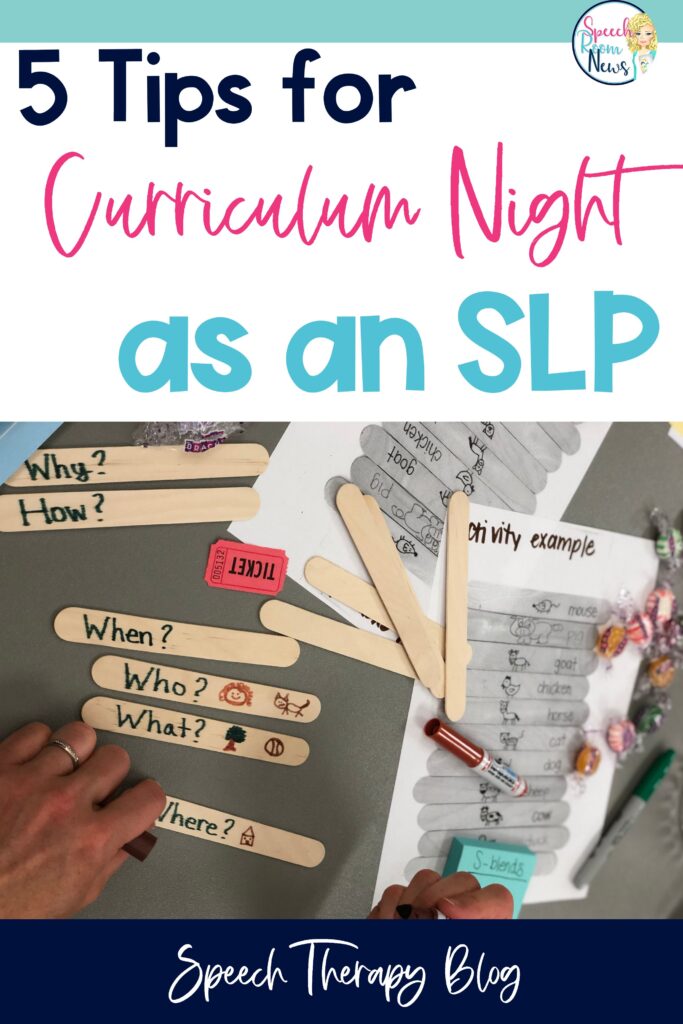
1. The "Make and Take" Activity: An interactive "Make and Take" session transforms a passive listening experience into an active learning one. This hands-on approach allows parents to create practical tools they can immediately use at home to support their child’s speech and language development. Examples could include:
- Simple Communication Boards: For non-verbal children or those with limited verbal skills, parents can learn to create basic visual communication aids for daily routines.
- "WH" Question Sticks: Crafting visual prompts to encourage question-asking and answering, supporting language comprehension and expression.
- Articulation Picture Cards: Parents can make personalized sets of cards featuring target sounds for home practice.
- Sensory Bottles or Fidget Tools: For children who benefit from sensory input, parents can learn to create simple, calming resources that also offer opportunities for language development (e.g., describing colors, actions).
This activity not only provides parents with concrete resources but also demystifies the therapy process, demonstrating how simple, everyday materials can be leveraged for therapeutic benefit. It empowers parents by showing them they can be active participants in their child’s progress, reinforcing the importance of their role in the therapeutic journey. The tactile experience often leads to better memory retention and a greater sense of ownership over the strategies learned.
2. Comprehensive Parent Handouts: Even the most engaging presentation can be forgotten amidst the flurry of information parents receive on Curriculum Night. Providing informative handouts serves as a crucial reference guide, ensuring that key takeaways, strategies, and resources are accessible long after the event concludes. Effective handouts should include:
- Summary of Key Points: A concise recap of the presentation’s main ideas.
- Actionable Strategies: Bullet points of home practice tips, clearly explained.
- Developmental Checklists: Age-appropriate milestones for easy reference.
- Recommended Resources: Links to reputable websites (e.g., ASHA, NIDCD), books, or apps for further learning.
- Contact Information: Clear details on how parents can reach the SLP for follow-up questions or concerns.
- Frequently Asked Questions (FAQs): Addressing common queries proactively.
These handouts demonstrate the SLP’s commitment to ongoing support and provide parents with a valuable tool to refer back to, reinforcing their understanding and empowering them to implement strategies consistently. Digital versions or QR codes linking to online resources can also enhance accessibility and allow for easy updates.
Building Bridges: Fostering Collaboration and Trust
The long-term impact of a well-executed Curriculum Night presentation by an SLP extends far beyond the evening itself. It lays the groundwork for a robust collaborative relationship between parents and the therapy team, which is vital for student success. When parents feel informed, respected, and empowered, they are more likely to:
- Actively Participate in Therapy: Understand and reinforce therapy goals at home.
- Adhere to IEP Goals: Work in tandem with the SLP to achieve outlined objectives.
- Communicate Effectively: Feel comfortable reaching out with concerns or updates.
- Advocate for Their Child: Become informed advocates within the educational system.
This collaborative model fosters trust, which is the bedrock of effective intervention. Parents see the SLP not just as a service provider, but as a dedicated partner in their child’s development, working towards shared goals. This partnership is particularly critical for children with complex communication needs, where consistent reinforcement across environments is paramount.
Challenges and Innovative Solutions
Despite the clear benefits, SLPs may encounter challenges in maximizing their impact at Curriculum Night. Common hurdles include:
- Low Attendance: Competing presentations, parental work schedules, or lack of perceived relevance can reduce turnout.
- Limited Time Slots: SLPs often have short windows to present complex information.
- Language Barriers: Diverse parent populations may require materials in multiple languages or access to interpreters.
- Varying Levels of Parental Literacy/Education: Information must be universally accessible.
To address these challenges, SLPs and school districts can implement innovative solutions:
- Multi-Format Presentations: Offering both in-person and virtual sessions (live-streamed or pre-recorded) to accommodate different schedules and preferences.
- Segmented Topics: Similar to the described preschool model, offering shorter, focused sessions on specific topics that parents can opt into based on their interest.
- Multilingual Resources: Providing handouts and presentation slides in various languages, and arranging for interpreters.
- Follow-Up Resources: Creating a dedicated section on the school website or a shared digital folder with all presentation materials, videos, and handouts for later access.
- Collaborative Sessions: Partnering with other specialists (e.g., occupational therapists, special education teachers) for a joint presentation on holistic support, demonstrating an integrated approach to student needs.
The Broader Educational Impact
The active participation of Speech-Language Pathologists in Curriculum Night contributes significantly to the overall educational ecosystem. It elevates the visibility and understanding of the SLP profession, dispelling misconceptions and highlighting its integral role in fostering academic, social, and emotional growth. By empowering parents with knowledge and tools, SLPs are not just supporting individual students but strengthening the entire school community’s capacity to nurture effective communicators. This proactive engagement fosters a culture of collaboration, where home and school work in concert, ultimately leading to improved educational outcomes for all children, particularly those requiring specialized communication support. As education continues to evolve, the integration of specialist insights into foundational events like Curriculum Night will remain crucial for creating truly inclusive and supportive learning environments.
Conclusion
Curriculum Night offers Speech-Language Pathologists an unparalleled opportunity to engage parents, demystify their vital work, and forge strong partnerships that extend the impact of therapy beyond the school walls. By thoughtfully selecting topics, simplifying complex information, providing interactive experiences, and offering tangible resources, SLPs can empower families to become active participants in their child’s communication journey. This proactive approach not only enhances individual student outcomes but also reinforces the indispensable value of speech-language pathology within the broader educational landscape, fostering a more informed, collaborative, and supportive environment for all learners.
