

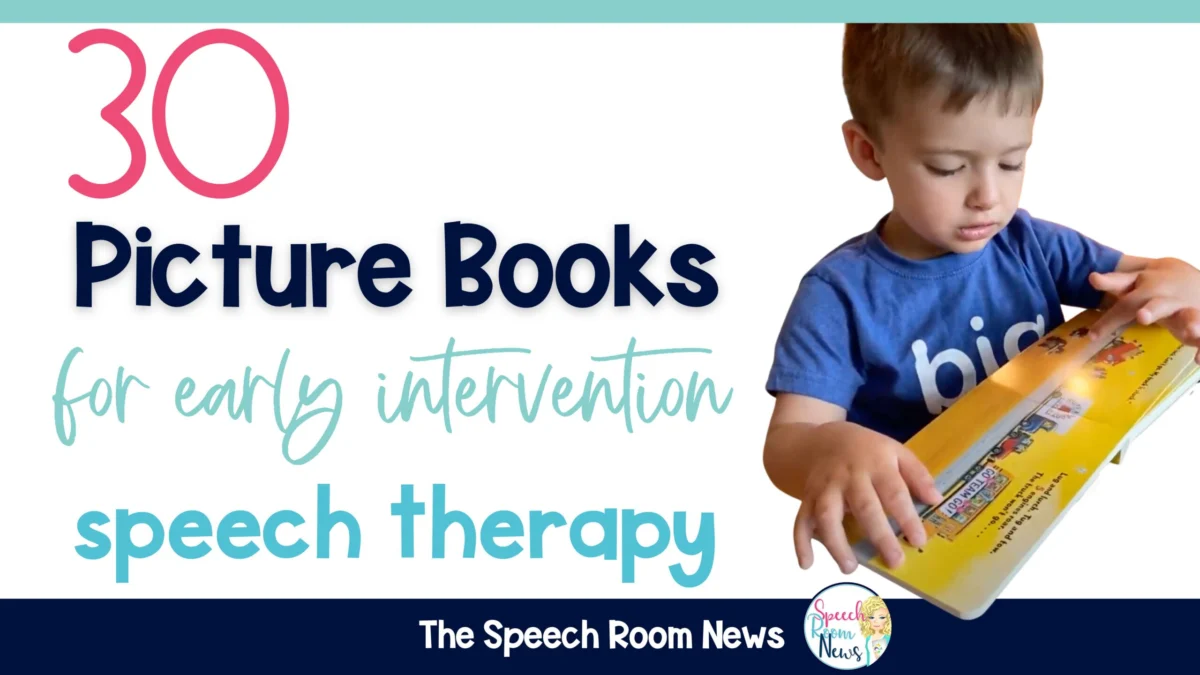
In the critical early developmental stages of childhood, from birth to approximately three years of age, picture books stand as invaluable resources in early intervention speech therapy, serving as dynamic catalysts for language development and the enhancement of communication skills in young children. The strategic integration of carefully selected picture books into therapeutic sessions not only enriches the learning experience but also provides targeted support for a spectrum of speech and language goals, making them indispensable tools for Speech-Language Pathologists (SLPs) dedicated to pediatric intervention. This approach leverages the inherent power of narrative and visual stimuli to address foundational communication deficits proactively, aiming to maximize a child’s developmental potential during a period of rapid brain growth and linguistic acquisition.
Understanding Early Intervention in Speech Therapy

Early intervention in speech therapy represents a proactive, evidence-based approach designed to address identified speech and language difficulties in young children as soon as they emerge. This specialized form of therapy primarily targets infants and toddlers from birth up to three years of age, a period widely recognized by developmental psychologists and neuroscientists as a "critical window" for language acquisition. During these formative years, the brain exhibits remarkable plasticity, making it exceptionally receptive to learning and intervention. When speech and language delays or disorders are identified during this phase, early intervention aims to mitigate challenges promptly, thereby supporting the child’s burgeoning communication skills and optimizing their overall developmental trajectory.
The significance of this age range cannot be overstated. Research consistently demonstrates that delays in communication skills identified and addressed early are associated with more favorable long-term outcomes, including improved academic performance, enhanced social-emotional development, and reduced need for more intensive and costly interventions later in life. For instance, studies published by organizations like the American Speech-Language-Hearing Association (ASHA) indicate that children receiving early intervention for speech and language disorders show significant improvements in expressive and receptive language skills, often narrowing the gap between their development and that of their typically developing peers. Without early support, these initial delays can cascade into broader developmental challenges, affecting literacy, social interactions, and cognitive processing.
A hallmark of effective early intervention is the active involvement of families and primary caregivers. Speech-Language Pathologists collaborate closely with parents and guardians, designing individualized treatment plans that seamlessly integrate therapeutic strategies into daily routines. This family-centered approach recognizes that a child’s most potent learning environments are their natural settings – home, daycare, and community interactions. By empowering caregivers with techniques and strategies, therapists extend the reach of intervention beyond clinical sessions, fostering a consistent and enriching language environment that maximizes the child’s progress and reinforces newly acquired skills.
The Multifaceted Power of Books in Speech and Language Therapy
Picture books are far more than mere entertainment; they are sophisticated pedagogical instruments in speech and language therapy, offering a diverse array of benefits for children undergoing intervention. Their structured narratives, engaging illustrations, and interactive potential create a rich linguistic landscape conducive to learning and skill development. Incorporating picture books into therapy sessions fundamentally enhances language development, refines communication skills, and cultivates an immersive and enjoyable learning experience. The benefits extend across several critical domains:
-
Promoting Language and Vocabulary Development: Books serve as a primary conduit for exposing children to an expansive repertoire of words, significantly broadening their receptive and expressive vocabulary and enhancing their language comprehension. Through the practice of reading aloud, SLPs can deliberately introduce novel lexical items, reinforce thematic concepts, and model correct grammatical structures. Engaging in discussions about the story, characters, and events further encourages children to utilize new words and formulate more complex sentences, thereby promoting expressive language skills in a contextualized manner. For example, a child might learn words like "scamper" or "giggle" in the context of an animal story, making the vocabulary acquisition more concrete and memorable.
-
Enhancing Storytelling and Narrative Skills: Interaction with books intrinsically nurtures the nascent storytelling abilities and narrative skills vital for effective communication. As children follow the sequential plot and engage with the characters, they gradually assimilate the fundamental elements of story structure, including beginning, middle, and end, as well as concepts of sequencing and cause-and-effect relationships. These narrative competencies are not merely academic; they are essential for organizing thoughts, recounting personal experiences, and participating meaningfully in conversations. The ability to construct and comprehend narratives forms the bedrock of both social communication and later literacy development.
-
Stimulating Imagination and Creativity: Books transport children to myriad imaginative worlds, fostering cognitive flexibility, creativity, and critical thinking. The vivid illustrations and evocative language encourage children to visualize and describe scenes, characters, and events, thereby promoting robust expressive language and descriptive skills. This imaginative engagement also allows children to explore emotions, understand different perspectives, and develop empathy, all of which are crucial for social communication. Asking "What do you think happens next?" or "How does the character feel?" prompts inferential thinking and emotional vocabulary.
-
Developing Phonological Awareness and Articulation: While often associated with vocabulary, books also play a crucial role in phonological awareness – the ability to recognize and manipulate the sounds of spoken language. Repetitive texts, rhyming patterns, and alliterative phrases common in children’s literature help children tune into individual sounds (phonemes), syllables, and word structures. This heightened auditory discrimination is foundational for both speech articulation and early literacy skills, such as decoding words. SLPs can use books to target specific speech sounds, encouraging imitation and practice within an engaging story context.
-
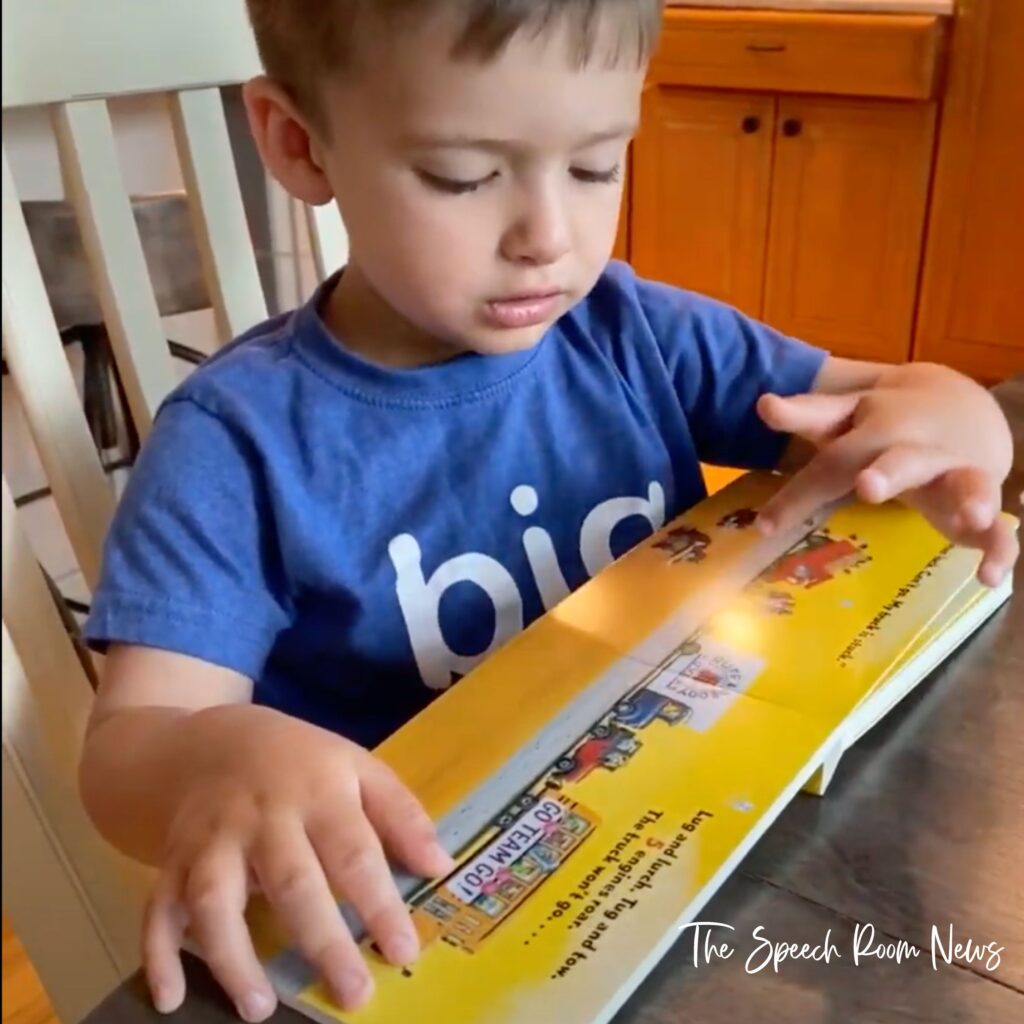
Fostering Joint Attention and Social Interaction: Reading a book together naturally facilitates joint attention, a critical precursor to social communication. Joint attention involves two individuals sharing focus on an object or event, and it is fundamental for learning language through observation and interaction. During shared reading, the child and SLP (or caregiver) focus on the same pages, pictures, and words, creating opportunities for turn-taking, pointing, asking and answering questions, and responding to non-verbal cues. This interaction strengthens social engagement and builds rapport, which are essential for successful therapeutic outcomes.
-
Building Print Awareness and Early Literacy Skills: Even for very young children, exposure to books cultivates early print awareness. They begin to understand that print carries meaning, that stories are read from left to right, and that pages are turned in a sequence. While not direct speech therapy goals, these emergent literacy skills are intrinsically linked to language development and provide a strong foundation for future reading success. SLPs can point to words as they read, demonstrating the connection between spoken and written language.
Categorizing Effective Picture Books for Early Intervention
The selection of appropriate picture books is paramount to successful early intervention. SLPs carefully consider a book’s characteristics to align with specific therapeutic goals and the child’s developmental stage. Three primary categories of books prove particularly effective:
-
Interactive Books: These books are specifically designed to encourage physical engagement, promoting active participation, increasing attention spans, and fostering vocabulary development through multi-sensory experiences. Examples include:
- Lift-the-Flap Books: Such as Rod Campbell’s Dear Zoo, which encourages prediction, introduces animal vocabulary, and provides a rewarding tactile experience with each reveal. The repetitive structure "I wrote to the zoo to send me a pet…" is excellent for language imitation.
- Touch-and-Feel Books: Like Dorothy Kunhardt’s classic Pat the Bunny, which stimulates sensory exploration and introduces descriptive adjectives (e.g., "soft," "rough," "smooth") as children interact with different textures. This direct tactile input enhances comprehension and memory.
- Pull-Tab/Slide Books: Books with movable parts engage fine motor skills while introducing concepts like action verbs ("pull," "slide"), cause-and-effect, and spatial relationships ("up," "down"). These elements can be particularly motivating for children with limited attention spans.
-
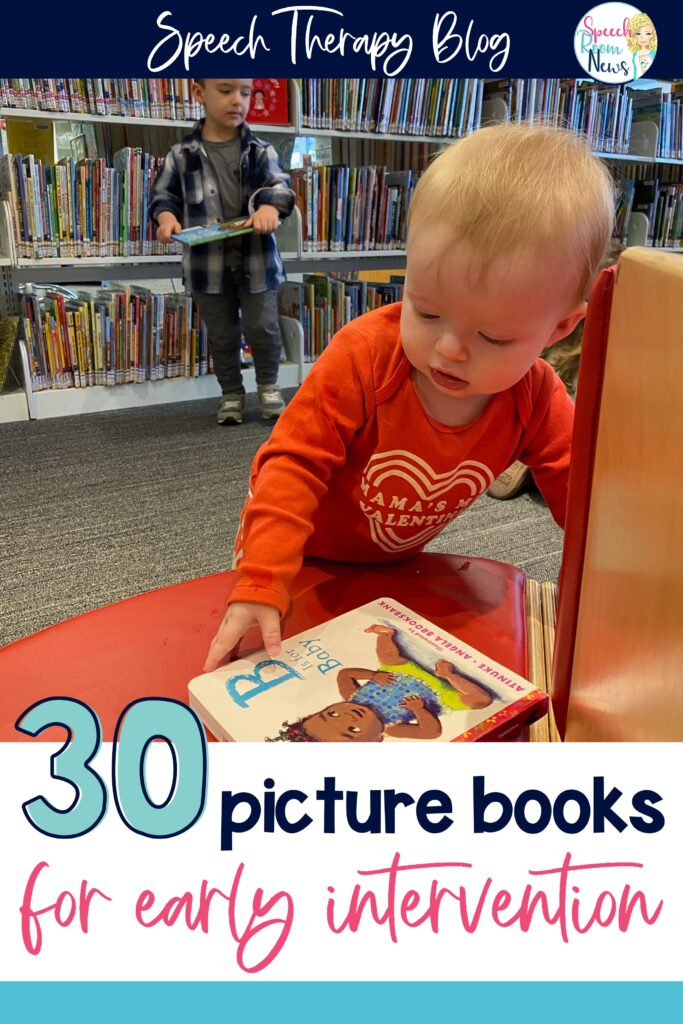
Durable Books: Given the enthusiastic handling typical of young children, durable books are essential for early intervention speech therapy. Their sturdy construction ensures they can withstand repeated use, making them practical choices for frequent interaction and exploration without fear of damage. Examples include:
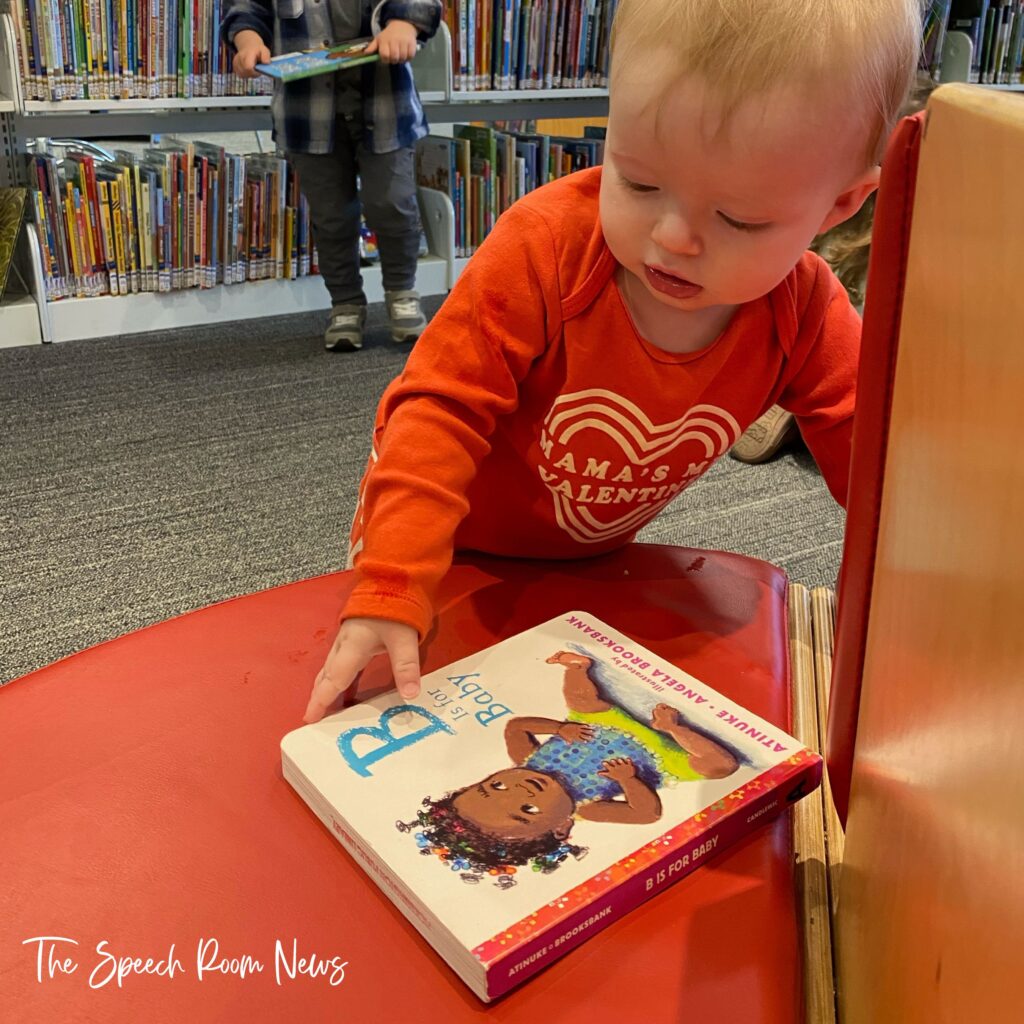
- Board Books: With their thick cardboard pages, board books are virtually indestructible, ideal for babies and toddlers who are still developing fine motor control. Their robust nature allows for independent exploration and repeated readings without wear and tear.
- Cloth Books: Soft, washable, and often featuring crinkly pages or attached teething elements, cloth books are perfect for the youngest clients. They provide sensory input and are safe for oral exploration, making them excellent for introducing the concept of a "book."
- Plastic/Bath Books: These waterproof books extend reading opportunities to bath time, introducing new contexts for language use and demonstrating that books can be found in various environments.
-
Board Books: While already mentioned under durable books, board books warrant a distinct category due to their unique combination of sturdy construction, repetitive text, engaging illustrations, and inherent potential for musical integration. These characteristics make them exceptionally effective for targeting early language skills. Examples include:
- Repetitive Text Books: Eric Carle’s Brown Bear, Brown Bear, What Do You See? exemplifies this with its predictable, cumulative text that promotes early sequencing, color recognition, and animal vocabulary, while also being highly suitable for singing or chanting.
- Books with Rhyme and Rhythm: Julia Donaldson’s The Gruffalo or Dr. Seuss’s early works utilize strong rhythmic patterns and rhyming words, which are excellent for developing phonological awareness, auditory memory, and speech fluency. The musicality of these books makes them engaging and memorable.
- Concept Books: Books focusing on basic concepts like colors, shapes, numbers, or opposites (e.g., Goodnight Moon by Margaret Wise Brown, which also offers rich descriptive language) provide clear visual cues and repetitive language patterns ideal for concept acquisition and labeling.
The Collaborative Role of SLPs and Families
The success of early intervention speech therapy is significantly amplified by the collaborative partnership between Speech-Language Pathologists and the child’s family. SLPs serve not only as direct therapists but also as educators and coaches, equipping parents and caregivers with the knowledge and tools to integrate language-rich activities, including shared book reading, into their daily lives. Therapists demonstrate how to adapt reading strategies to target specific goals, such as pausing to elicit sounds or words, modeling new vocabulary, asking open-ended questions, and encouraging turn-taking during story time. This empowerment ensures that the therapeutic environment extends beyond scheduled sessions, transforming everyday interactions into valuable learning opportunities.
Long-Term Impact and Broader Implications
The investment in early intervention, particularly through accessible and engaging mediums like picture books, yields profound long-term benefits for individuals and society. Children who receive timely and effective speech and language therapy are better equipped for academic success, demonstrate improved social competence, and experience enhanced emotional well-being. They are more likely to participate fully in classroom activities, form friendships, and express their needs and desires effectively, thereby reducing frustration and behavioral challenges that can arise from communication difficulties.
From a broader societal perspective, robust early intervention programs contribute to a more inclusive educational system and a more productive workforce. By addressing developmental delays proactively, these programs can reduce the need for specialized educational services in later years, potentially leading to cost savings for school systems and healthcare providers. More importantly, they empower children to reach their full potential, fostering a generation of confident communicators and engaged learners.
Expert Consensus and Future Directions
The consensus among pediatric development experts and professional bodies like ASHA unequivocally supports the foundational role of literacy-based interventions in early speech and language therapy. Continued research emphasizes the neurological benefits of early exposure to language-rich environments and the significant positive correlation between shared book reading and language outcomes. Future directions in the field may increasingly explore the integration of digital interactive books, virtual reality, and augmented reality to create even more dynamic and personalized reading experiences, while always maintaining the core principles of engagement, interaction, and targeted skill development.
In conclusion, picture books are far more than simple narratives; they are dynamic, multifaceted instruments central to early intervention speech therapy. By leveraging their inherent ability to foster language growth, stimulate imagination, and facilitate social interaction, Speech-Language Pathologists can lay a robust foundation for lifelong learning and effective communication. The strategic selection and thoughtful application of interactive, durable, and board books empower young children to navigate the complex world of language, transforming potential communication barriers into pathways for expressive and confident engagement.
