

The pervasive challenge of finding dedicated time for children’s speech and language development in today’s fast-paced world has led experts to advocate for innovative approaches, particularly leveraging the often-overlooked daily car commute. What was once considered "dead time" is increasingly recognized by speech-language pathologists (SLPs) and developmental specialists as a prime opportunity for intentional and organic learning experiences. This shift in perspective underscores a broader understanding of integrated learning, where everyday moments are transformed into valuable developmental milestones for children, including those with diagnosed speech or language delays.
The Unseen Classroom: Commutes as Prime Learning Opportunities
For many families, the car serves as a significant daily setting, from school runs to errands and weekend trips. Historically, this time might have been filled with passive entertainment, such as screens or music. However, a growing body of professional opinion suggests that redirecting this time towards interactive speech and language practice offers substantial developmental benefits. The car environment presents a unique set of advantages conducive to focused communication. Unlike the home, which can be replete with toys, siblings, or household tasks vying for attention, the confined space of a vehicle naturally minimizes external distractions. This creates a relatively "distraction-free environment" where parent-child interaction can take precedence, fostering a more concentrated engagement in verbal exchanges.
Moreover, the act of conversing in a car often establishes a natural back-and-forth rhythm, mimicking the organic flow of typical communication. This spontaneous dialogue, unburdened by the pressure of formal lessons, allows children to practice turn-taking, active listening, and responsive speaking. Beyond direct conversation, the passing scenery and constant exposure to road signs, billboards, and other environmental print offer a rich, natural context for vocabulary expansion. A simple journey can become a dynamic lesson in identifying objects, understanding functions, and categorizing items, thereby organically expanding a child’s lexicon and conceptual understanding. The cumulative effect of these seemingly small interactions can significantly contribute to a child’s overall linguistic competence, maximizing valuable time and transforming routine commutes into engaging learning experiences.
Pedagogical Benefits and Developmental Impact
Integrating speech and language practice into car rides extends beyond mere time management; it taps into fundamental pedagogical principles that support holistic child development.

- Cognitive Advantages: Consistent, low-pressure verbal interaction in the car aids in cognitive development by improving auditory processing, memory retention, and the ability to follow multi-step directions. The repetitive nature of some games helps solidify neural pathways associated with language acquisition. Furthermore, engaging in conversational turn-taking enhances executive functions such as attention control and working memory.
- Social-Emotional Growth: These interactive car activities foster stronger parent-child bonds by creating shared positive experiences. Children feel valued when parents actively engage with them, which can boost self-esteem and encourage further communication. The reduction in screen time during commutes also helps mitigate potential negative impacts on social skills and emotional regulation, promoting more direct human interaction. For many children, particularly those prone to "boredom" during travel, structured yet playful language activities can transform potential frustration into constructive engagement, reinforcing a positive association with communication.
- Addressing Developmental Delays: For children with diagnosed speech or language delays, consistent reinforcement is paramount. Clinical therapy sessions, while crucial, are often limited in frequency. Integrating practice into daily routines like car commutes provides the necessary repetition and generalization of skills in naturalistic settings. This practical application helps bridge the gap between clinical intervention and real-world communication, making learned skills more robust and accessible. The low-stakes environment of the car can also reduce performance anxiety often associated with formal therapy, encouraging more spontaneous and confident communication attempts.
Expert Perspectives: The Indispensable Role of Speech-Language Pathologists
Speech-language pathologists (SLPs) universally recognize the critical importance of home-based practice in supporting and extending clinical therapy outcomes. "The reality is that therapy sessions are just one piece of the puzzle," explains Dr. Evelyn Reed, a veteran SLP. "For true progress, consistent application of learned skills in a child’s natural environment is essential. Car rides offer an invaluable, often untapped, opportunity for parents to become active co-therapists without adding extra stress to their already packed schedules."
Statistics underscore the widespread need for such accessible intervention. According to the Centers for Disease Control and Prevention (CDC), approximately 1 in 12 (7.7%) U.S. children aged 3-17 years have had a disorder of speech, voice, language, or swallowing in the past 12 months. The American Speech-Language-Hearing Association (ASHA) further highlights that early intervention is key to mitigating long-term developmental challenges. These figures emphasize that parents are often on the front lines of supporting their child’s communication development, making practical, easily implementable strategies like car-based games incredibly valuable.
SLPs frequently find that parents, while eager to help, struggle with how to integrate therapeutic strategies into their daily lives. "Our goal is to empower parents," states Maria Chen, an SLP specializing in early childhood development. "Providing them with simple, fun, and effective activities they can do on the go not only reinforces therapy goals but also demystifies the process, making language development feel less like a chore and more like a natural part of family interaction." This approach not only supports the child but also strengthens the family unit by providing concrete tools for engagement and fostering a sense of agency in parents.
Detailed Exploration of Practical Strategies
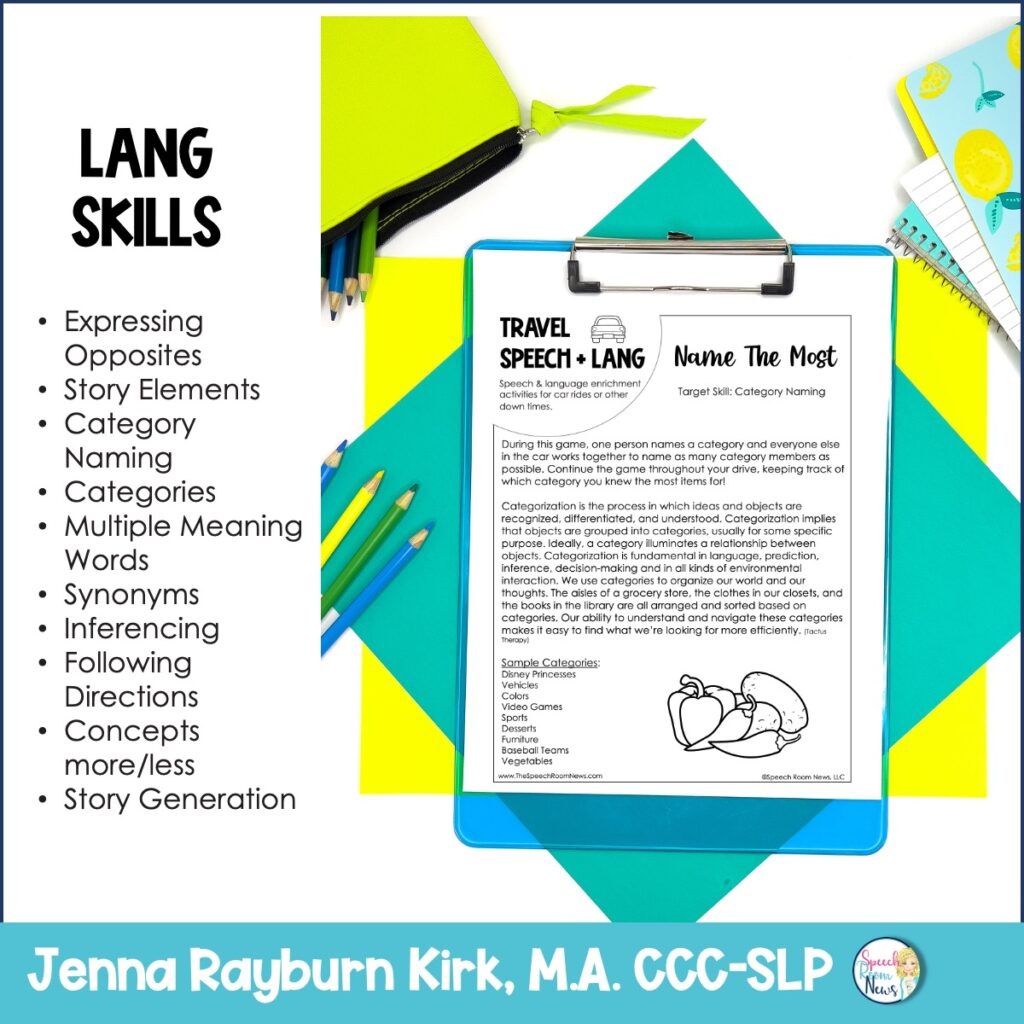
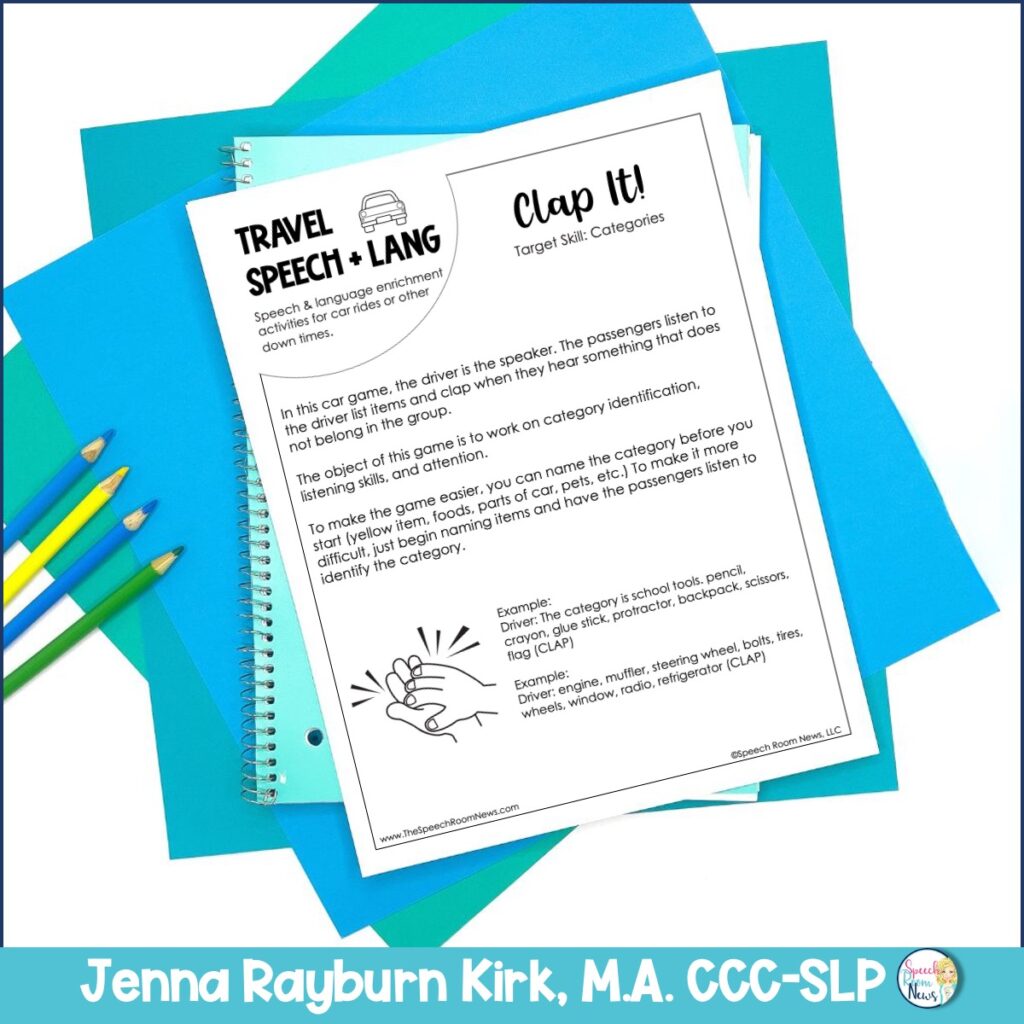
Several simple, yet highly effective, games can transform car commutes into dynamic speech and language therapy sessions. These activities target diverse linguistic skills, from grammar and vocabulary to articulation and narrative construction.
1. The Grocery Game: Cultivating Conversational Fluency and Question Formation
- Objective: To enhance question formation skills, vocabulary, and descriptive language.
- Gameplay: One player secretly chooses an item typically found in a grocery store. Other players take turns asking yes/no questions to guess the item. For example, "Is it in the produce aisle?", "Is it a fruit?", "Do you eat it raw?", "Can you bake with it?"
- Pedagogical Rationale: Question formation is a foundational linguistic skill crucial for inquiry, problem-solving, and effective social interaction. Children often struggle with the correct word order and auxiliary verb usage in questions (e.g., "You eat it?" instead of "Do you eat it?"). This game provides a repetitive, low-pressure context to practice grammatical structures like inversions and the use of ‘do,’ ‘does,’ ‘is,’ ‘are,’ ‘can,’ and ‘will.’
- Targeted Language Skills:
- Functions: (e.g., "Does it melt?", "Is it used for cleaning?") – Encourages understanding of an object’s purpose.
- Actions: (e.g., "Do you bite it?", "Can you peel it?") – Promotes verb usage and understanding of related actions.
- Categories: (e.g., "Is it a vegetable?", "Is it a dairy product?") – Develops categorization skills, essential for organizing vocabulary and conceptual knowledge.
- Associates: (e.g., "Is it something that goes on bread?", "Does it come in a carton?") – Builds connections between words and concepts, enhancing semantic networks.
- Variations and Progression: To increase difficulty, introduce more abstract items, require specific question types (e.g., only "wh-" questions like "What color is it?"), or have the child describe the item using three clues before others start guessing.
2. Red Light Race: Enhancing Articulation and Phonological Awareness
- Objective: To practice specific articulation sounds and increase phonological awareness through auditory bombardment.
- Gameplay: When the car stops at a red light, players take turns naming as many items as possible within a chosen category, all of which must contain a predetermined target sound (e.g., ‘s’ sound, ‘r’ sound, ‘sh’ sound). One person names, the other counts.
- Pedagogical Rationale: Articulation, the clear production of speech sounds, is vital for intelligibility. Auditory bombardment, where a child repeatedly hears the target sound correctly modeled by an adult, is a highly effective technique. It helps the child develop a strong auditory image of the sound, which is a prerequisite for accurate production. The game makes this practice fun and competitive, masking the therapeutic intent.
- Importance of Modeling: The adult’s role in consistently modeling the target sound correctly is critical. This provides the child with clear examples and helps them tune their ears to the specific phoneme.
- Targeted Skills:
- Articulation: Direct practice of specific sounds in various word positions (initial, medial, final).
- Auditory Discrimination: Helps children differentiate between sounds, a key component of phonological awareness.
- Vocabulary Expansion: Naming items within categories naturally introduces new words.
- Phonological Awareness: By focusing on specific sounds, children become more aware of the sound structure of words.
- Category Examples (tailored to target sounds):
- For /s/ sound: "Things you see," "Sports," "Snacks," "Seasons."
- For /r/ sound: "Red things," "Animals that roar," "Things you read."
- For /l/ sound: "Large objects," "Things that are long," "Things you like."
- For /k/ sound: "Things you cook," "Things with keys," "Things that are cold."
- For ‘sh’ sound: "Shapes," "Things that make a sh sound," "Shiny objects."
- General categories adaptable to any sound: Animals, Foods, Toys, Clothes, Places, Colors.
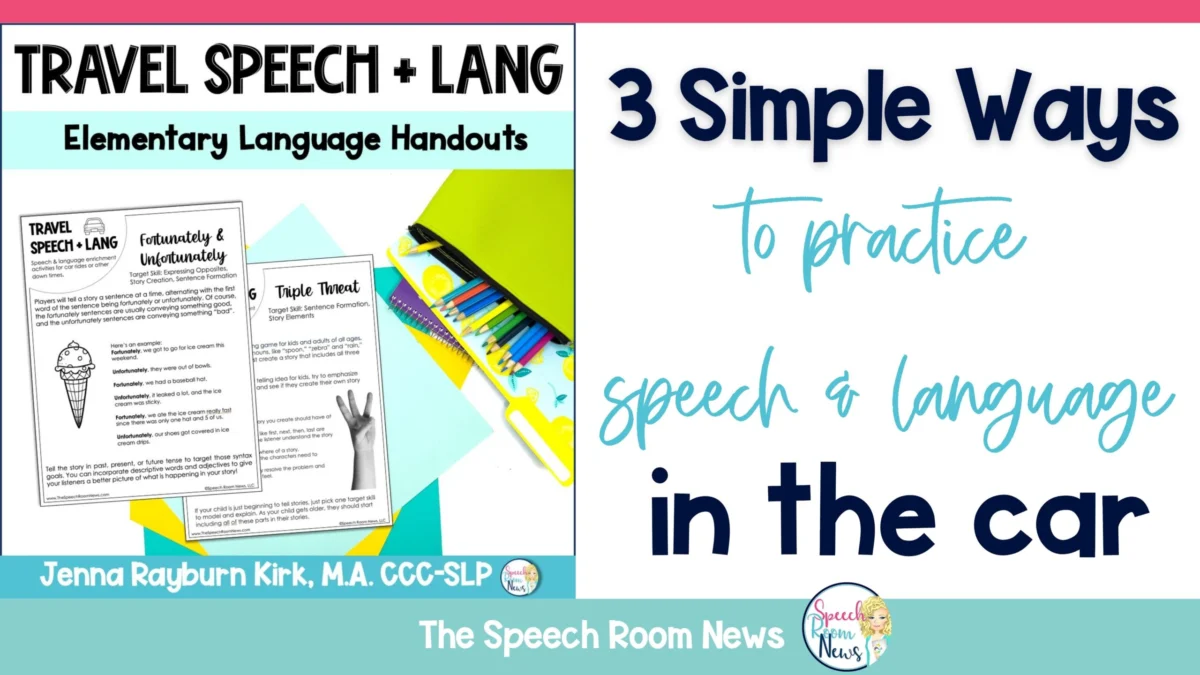
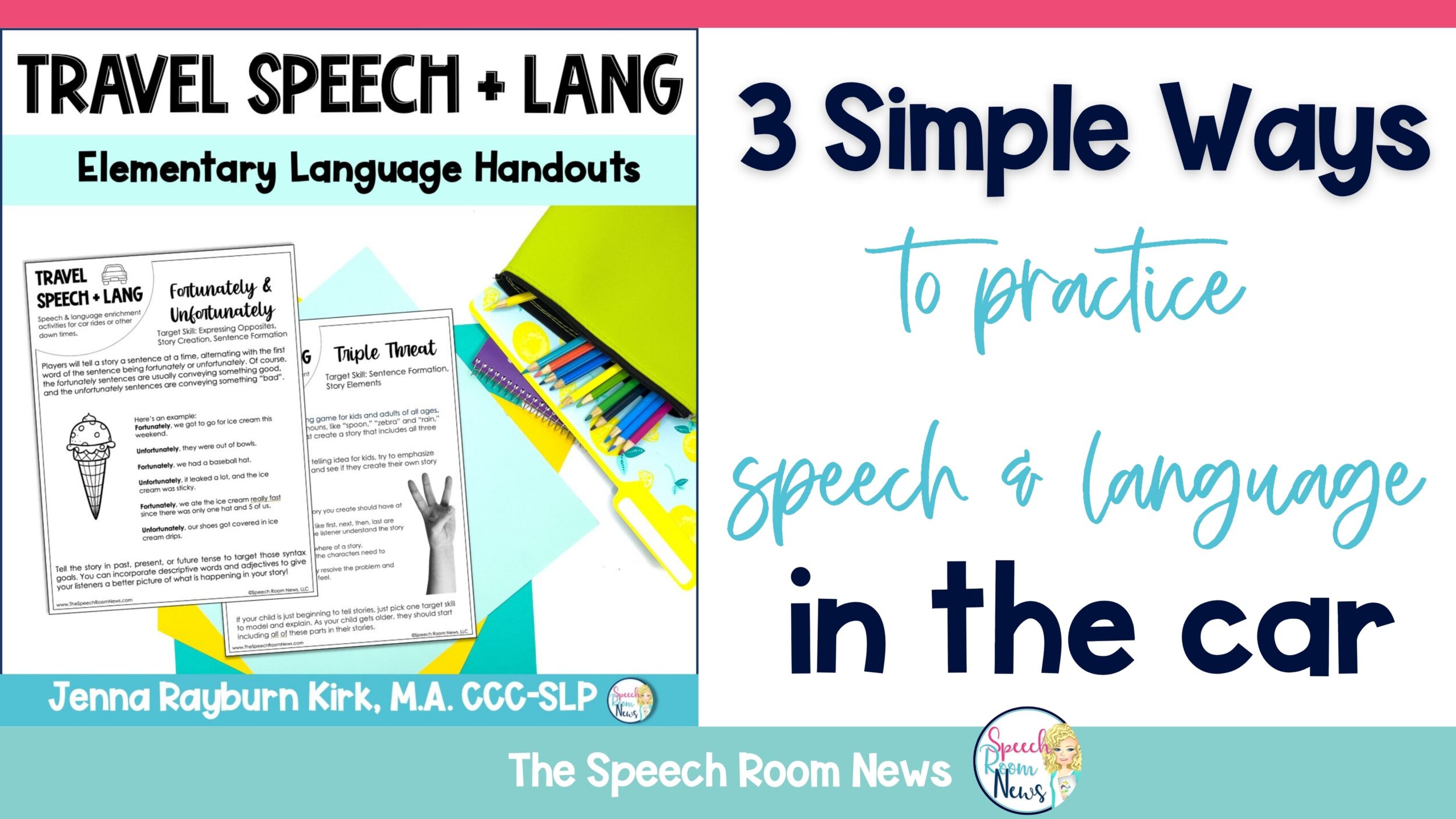
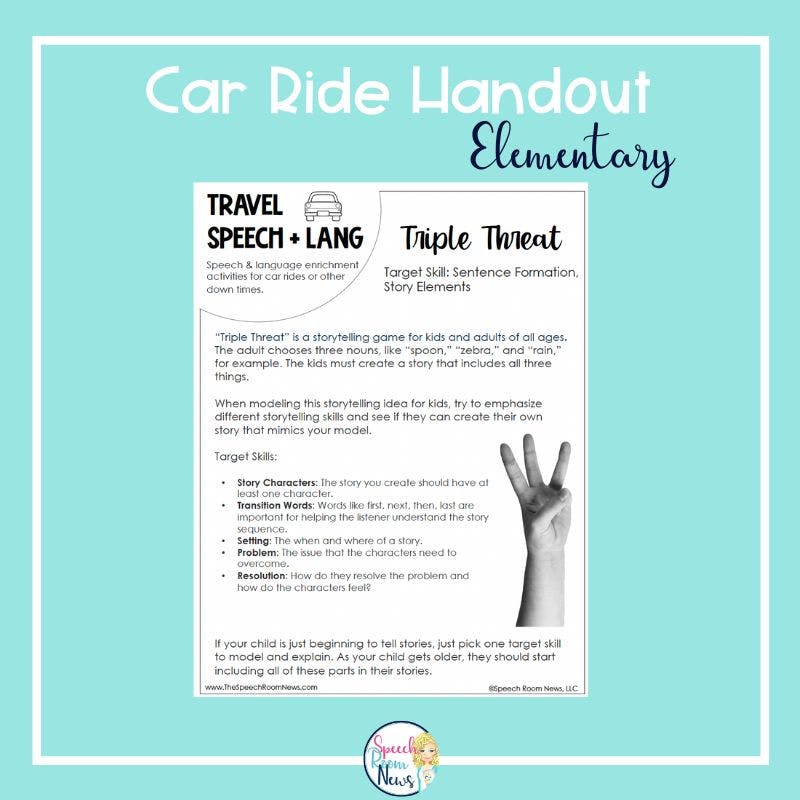
3. Triple Threat: Fostering Narrative Skills and Creative Expression
- Objective: To develop sentence formation, story creation, and narrative retell abilities.
- Gameplay: An adult provides three unrelated nouns (e.g., "dog," "milk," "bike"). The child must then create a short story that incorporates all three items. The sillier the story, the better!
- Pedagogical Rationale: Narrative skills are fundamental for academic success (comprehension, writing), social communication (sharing experiences), and imaginative play. This activity encourages children to move beyond single words or simple sentences to construct coherent narratives, integrating different semantic concepts. It promotes creativity and flexible thinking, allowing children to experiment with language in a low-stakes, fun environment.
- Targeted Language Skills:
- Sentence Formation: Practice constructing grammatically correct and complex sentences.
- Vocabulary Integration: Encourages the use of descriptive words (adjectives, adverbs) and conjunctions to link ideas.
- Sequencing and Story Structure: Helps children understand the beginning, middle, and end of a story, and the logical flow of events.
- Imaginative Thinking: Fosters creativity and the ability to think abstractly, connecting disparate concepts.
- Perspective Taking: (Advanced) Encourage the child to tell the story from the perspective of one of the objects.
- Story Retell: After creating a story, the child can be asked to retell it, strengthening memory and sequencing.
- Extensions: Introduce verbs or adjectives as prompts, encourage adding dialogue, or ask follow-up questions about the story (e.g., "What happened next?", "How did the dog feel?").
Broader Implications and Future Outlook
The integration of speech and language practice into daily car commutes represents a paradigm shift in how families can approach child development. It underscores the profound impact that seemingly small, consistent interactions can have over time.
- Parental Empowerment: These strategies empower parents, particularly those whose children are receiving speech therapy, by providing tangible, manageable ways to support their child’s progress outside of formal sessions. This fosters a sense of partnership between parents and therapists, leading to more comprehensive and effective intervention.
- Reducing "Therapy Fatigue": By embedding learning into routine activities, these approaches mitigate "therapy fatigue"—the burnout children and parents can experience from dedicated, structured therapy sessions. Learning becomes less of a chore and more of an enjoyable, natural part of family life.
- Educational Impact: Strong speech and language skills are foundational for literacy, academic achievement, and successful social integration. Children with well-developed communication abilities are better equipped to comprehend instructions, express ideas, participate in classroom discussions, and form meaningful relationships. By consistently nurturing these skills from an early age, parents are laying a robust groundwork for their child’s future success.
- Demand for Accessible Resources: The growing recognition of these benefits highlights the ongoing need for accessible, practical resources for parents and educators. Tools like comprehensive bundles of activities, often developed by SLPs themselves, provide ready-to-use ideas that can be easily implemented without specialized equipment or extensive preparation. These resources are invaluable for busy families seeking to make the most of every developmental opportunity.
In conclusion, the daily car commute, traditionally a space for transit or passive entertainment, holds immense potential as a dynamic classroom for speech and language development. By embracing simple, engaging, and expert-backed strategies, parents can transform these routine journeys into enriching experiences that foster vital communication skills, strengthen family bonds, and lay a solid foundation for their children’s cognitive and social-emotional growth. This approach not only maximizes valuable time but also democratizes access to developmental support, proving that impactful learning can truly happen anywhere, even on the road.
